
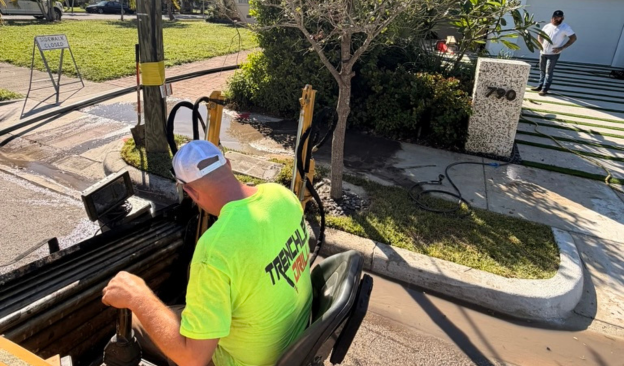
Old underground communication lines and electrical systems can be replaced without digging large trenches across your property. Modern trenchless drilling methods allow contractors to install or replace underground communication lines, conduits, and fiber systems while leaving lawns, driveways, sidewalks, and landscaping mostly untouched.
For homeowners and businesses, this means faster project timelines, less cleanup, fewer repairs, and a more cost-effective way to upgrade aging underground infrastructure. Whether you need underground fiber optic cable installation or new electrical conduits for a property upgrade, trenchless technology offers a cleaner solution.
What Is the Best Way to Replace Underground Communication Lines Without Digging?
The best way to replace underground communication lines without major excavation is through trenchless drilling, also known as horizontal directional drilling (HDD).
This method uses specialized equipment to create a controlled underground path beneath the surface. Instead of digging a long trench from one end of the property to the other, contractors only need small entry and exit points.
Once the underground bore path is complete, the new conduit, cable, or utility line is pulled through the opening. This process is commonly used for:
- Underground communication lines
- Underground electrical conduit
- Underground fiber optic cable installation
- Water lines
- Gas lines
- Low-voltage cable systems
Horizontal directional drilling is especially useful beneath driveways, roads, sidewalks, landscaping, and parking lots, where surface damage would be expensive or disruptive.
Why Are Homeowners and Businesses Replacing Old Underground Lines?
Many underground communication lines and electrical systems installed decades ago are no longer capable of handling today’s demand.
Older conduits may crack, collapse, corrode, or become too small for newer cable systems. In many cases, property owners replace older systems to support:
- Faster internet speeds
- Fiber optic upgrades
- New electrical service
- Security systems
- Smart home technology
- Commercial network expansion
- Additional buildings or structures
Replacing outdated infrastructure before it fails can help prevent expensive emergency repairs later.
How Does Trenchless Drilling Work?
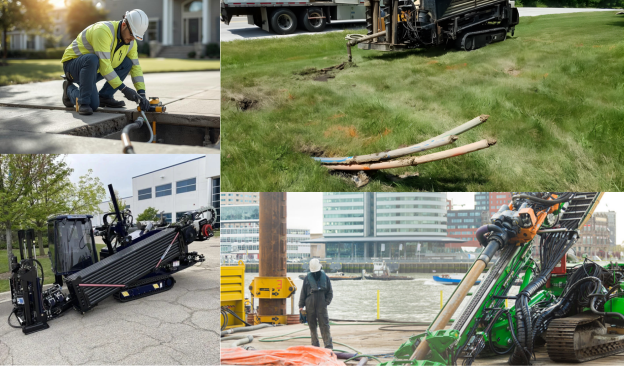
The trenchless process usually follows five steps:
1. Site Survey and Utility Locating
2. Route Planning
3. Directional Drilling
4. Pullback Installation
After the bore path is complete, the new conduit or cable is pulled back through the opening. This step is often used during underground fiber optic cable installation and electrical conduit replacement.
5. Testing and Cleanup
The line is inspected, tested, and the small entry areas are restored. Most trenchless projects leave very little visible evidence behind.
What Types of Underground Lines Can Be Replaced?
- Communication conduits
- Fiber optic cables
- Underground electrical conduit
- Internet and telecom lines
- Water lines
- Sewer lines
- Gas lines
- Irrigation systems
This flexibility is one reason trenchless drilling has become popular for both residential and commercial projects.
Can You Run Cables Underground Without Tearing Up Your Yard?
Yes. One of the biggest benefits of trenchless technology is that it allows contractors to run cables underground without damaging your yard, driveway, landscaping, sidewalks, or patio.
Instead of open trenching, the drilling equipment works below the surface. This is especially useful for:
- Homes with decorative landscaping
- Commercial properties with paved areas
- HOAs and communities with strict restoration requirements
- City streets and sidewalks
- Areas with mature trees
In many cases, the only visible work area is a small launch point and exit point.
Why Are Handholes and Pull Boxes Important?
When replacing underground communication lines, contractors often install handholes and pull boxes to improve future access.
A handhole or pull box creates an underground access point where technicians can inspect, repair, or expand utility lines later without digging everything up again.
For example, a future fiber repair may only require opening the handhole instead of excavating an entire section of the property.
If your project includes underground fiber optic cable installation, it may also benefit from pull box installation in Orlando and fiber optic handhole installation West Palm Beach to simplify future maintenance and upgrades.
Is Underground Fiber Optic Cable Installation Better Than Overhead Lines?
In many cases, yes.
Underground fiber optic cable installation provides better protection from weather, falling trees, wind damage, and accidental impact.
Underground systems also improve curb appeal because there are no exposed wires or utility poles. In addition, underground fiber systems often last longer and require less maintenance.
For homes, neighborhoods, office parks, and municipalities, underground fiber installation can provide a more durable long-term solution.
How Long Does a No-Dig Utility Replacement Take?
- Distance
- Soil conditions
- Existing utilities
- Permit requirements
- Number of lines being installed
Frequently Asked Questions
Can old underground communication lines be replaced without digging?
Yes. Trenchless drilling allows contractors to replace underground communication lines with minimal digging by using small entry and exit points.
Is trenchless drilling safe around existing utilities?
Yes. Professional contractors locate existing underground utilities before drilling to reduce the risk of damaging nearby lines.
What is the difference between trenchless drilling and trenching?
Traditional trenching requires long open excavations. Trenchless drilling creates a narrow underground path with much less disruption to the surface.
Is trenchless drilling more expensive?
The drilling process itself can sometimes cost more upfront, but it often saves money overall by reducing repairs to driveways, landscaping, sidewalks, and pavement.
Can trenchless methods be used for underground electrical conduit?
Final Thoughts
If you need to replace old underground communication lines, electrical conduit, or fiber systems, trenchless drilling offers a cleaner and more efficient alternative to traditional excavation.
Instead of tearing up your property, horizontal directional drilling can install new utilities beneath the surface with minimal disruption. It is one of the most effective ways to run cables underground, upgrade aging infrastructure, and prepare your property for future technology needs.
For projects that also require conduit routing, access points, or future maintenance flexibility, services like pull boxes, handholes, and underground fiber optic cable installation can make the system easier to manage long-term.
Ready to Replace Old Underground Communication Lines Without Digging?
Protect your property, avoid major excavation, and upgrade your underground communication lines with trenchless drilling solutions designed for faster, cleaner installation. Contact Trenchless Drilling, LLC today to replace old communication or electrical lines without digging.