
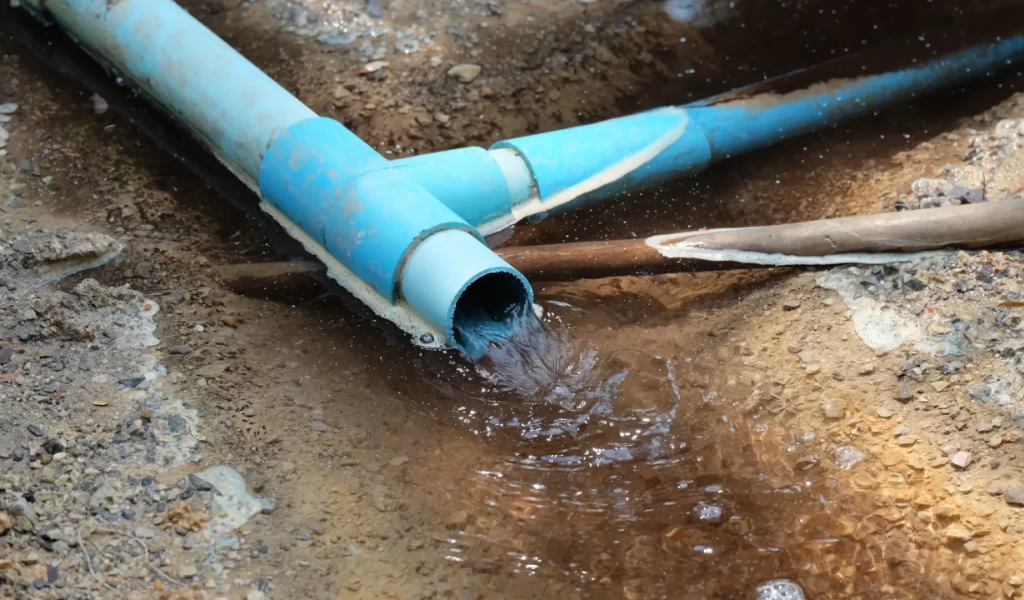
A professional approach to locating an underground water pipe leak focuses on confirming water loss, narrowing the affected area, mapping what’s buried below the surface, and planning the least disruptive path to resolution. When done correctly, this process prevents unnecessary digging, avoids damage to other utilities, and stops minor leaks from escalating into soil erosion, surface collapse, or costly property repairs.
For property owners, the biggest mistake is assuming that finding a leak underground means tearing up large sections of the yard or driveway. In reality, modern trenchless and subsurface locating methods show how to detect underground water leak problems strategically rather than destructively, saving both time and money.
Recognizing the Early Warning Signs
Most underground pipe leaks don’t announce themselves with visible flooding. Instead, they develop quietly and worsen over time. Property owners often notice indirect signs first, such as a sudden increase in water bills, unexplained wet or soft areas in the yard, or patches of grass that appear healthier than the surrounding landscape.
In more advanced cases, water pressure may fluctuate, or the ground may begin to settle as leaking water washes away supporting soil. These symptoms don’t always point to the exact location of the problem, but they strongly indicate that something is happening below the surface.
Confirming the Issue Before Digging Begins
Before any locating or excavation work is planned, professionals focus on confirming that the issue is actually related to a buried water line. This step is critical. Many apparent “leaks” are caused by irrigation systems, fixtures, or intermittent usage patterns rather than a damaged underground pipe.
Once surface-level causes are ruled out, the focus shifts underground. At this stage, the priority is not to dig, but to understand what already exists beneath the property so teams can accurately find the leaking water pipe underground without unnecessary disruption.
Mapping the Underground Environment First
One of the most important steps in finding a leaking water pipe underground is mapping subsurface utilities before disturbing the ground. Properties often contain multiple buried systems, water, gas, electrical, communications, and drainage, sometimes installed decades apart and poorly documented.
This is where underground utility locating services become essential. Using non-destructive methods allows professionals to visualize buried infrastructure and plan safe access points instead of relying on guesswork.
Many property owners in Central Florida choose GPR scanning Orlando services at this stage because ground penetrating radar can help identify buried pipes, conduits, and subsurface anomalies without excavation. This step significantly reduces the risk of striking another utility while investigating the suspected leak area.
Why Ground Scanning Matters in Leak Situations
Ground scanning does not “see water leaking” in a literal sense. Instead, it provides something far more valuable: context.
By identifying the route of underground pipes and detecting soil inconsistencies or voids, professionals can:
- Narrow down where a leak is most likely occurring
- Avoid damaging other utilities during access
- Select the smallest and safest area for verification or repair planning
Choosing the Least Disruptive Access Strategy
When Trenchless Methods Become the Smart Choice
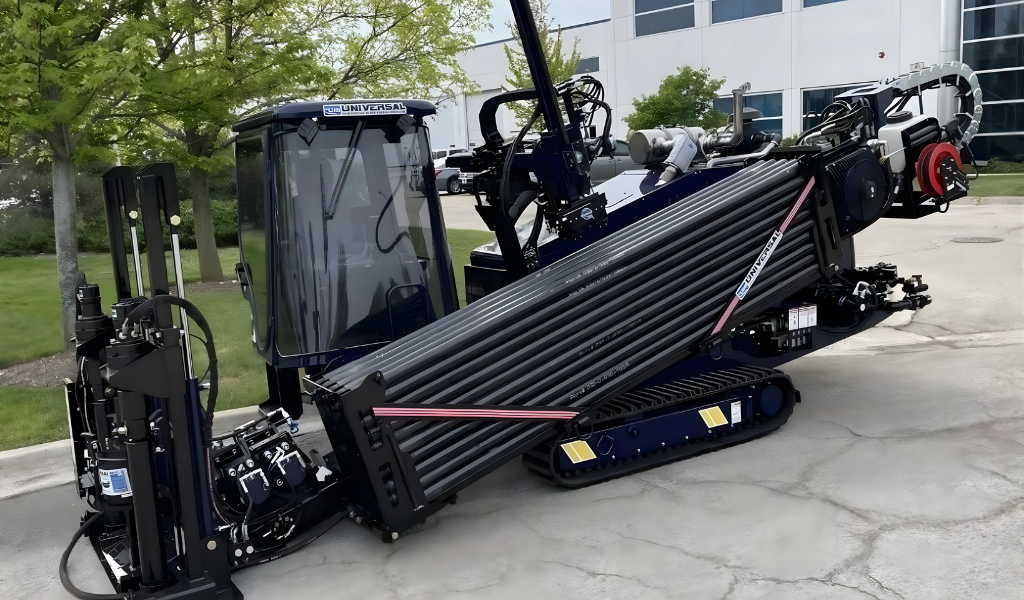
If resolving the issue involves installing or replacing an underground pipe run, trenchless techniques can dramatically reduce disruption. For properties where surface preservation matters, horizontal directional drilling Orlando services allow new lines to be installed beneath the surface without tearing up driveways, sidewalks, or large sections of land.
This method is particularly valuable when leaks occur under hardscape or high-traffic areas, where traditional excavation would significantly increase repair costs and downtime. Trenchless planning also benefits property owners by keeping projects predictable and contained.
What Property Owners Should Expect During Professional Service
A professional trenchless-focused team follows a structured workflow:
- Review observed symptoms and property conditions
- Confirm underground involvement
- Perform utility locating and subsurface mapping
- Plan the safest, least invasive access or installation path
This sequence is intentional. Each step reduces uncertainty, which is the primary driver of unexpected costs and extended project timelines. Property owners benefit from clearer explanations, fewer surprises, and better protection of their property.
Preventing Future Underground Water Issues
Once the immediate issue is addressed, prevention becomes the priority. Any future digging, fencing, landscaping, or construction work should begin with proper locating to avoid accidental damage to buried lines.
Maintaining records of mapped utilities and choosing trenchless installation methods for future underground work can significantly reduce the likelihood of repeat problems. Preventive planning is often far less expensive than repairing avoidable damage.
Why a Methodical Approach Matters
Finding a leaking water pipe underground isn’t about digging faster; it’s about digging smarter. By combining confirmation, subsurface mapping, and trenchless planning, professionals can stop leaks early while protecting the property above.
In Florida soil conditions, early subsurface mapping is especially important due to shifting ground and layered utility installations. For property owners, this approach means fewer disruptions, lower restoration costs, and confidence that the problem is being addressed correctly the first time.
Frequently Asked Questions
How do professionals find a leaking water pipe underground without digging?
They confirm water loss, rule out surface causes, map underground utilities using non-destructive methods, and then plan targeted access instead of excavating blindly.
Can ground penetrating radar detect an underground water leak directly?
GPR does not detect water itself, but it identifies pipe routes, soil disturbances, and subsurface voids that help narrow where a leak is likely occurring.
Is underground leak detection expensive compared to traditional digging?
Professional locating and scanning often reduces overall cost by preventing unnecessary excavation, avoiding utility strikes, and minimizing surface restoration.
When is trenchless repair a better option than excavation?
Trenchless methods are ideal when leaks are beneath driveways, sidewalks, or landscaped areas where surface damage would significantly increase repair time and cost.
Conclusion
Finding a leaking water pipe underground requires precision, not guesswork. By confirming the issue, mapping buried utilities, and selecting the least disruptive access method, professionals can stop leaks early while protecting surrounding infrastructure. This methodical approach prevents small problems from turning into costly property damage and ensures repairs are planned safely and efficiently. The same procedure is commonly used for commercial sites, parking lots, and multi-tenant properties
Need to Locate an Underground Water Leak Without Unnecessary Digging?
If you suspect a leaking water pipe underground, professional locating and trenchless planning can save time, money, and your property. Using advanced subsurface mapping and strategic access methods, leaks can be identified and resolved with minimal disruption. Contact Trenchless Drilling, a qualified underground utility locating team, to take the right first step.