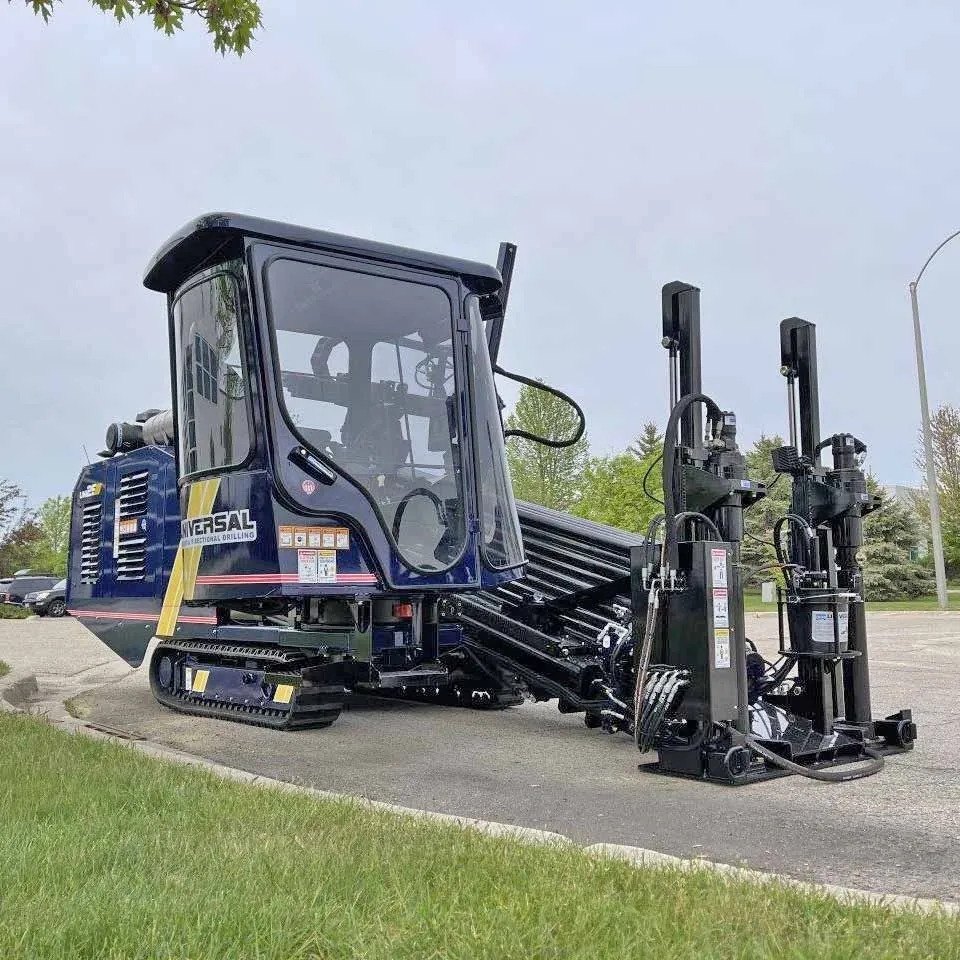
For decades, trenchless drilling methods have revolutionized how we install and repair underground utilities. But if you are a property owner, contractor, or developer, you might still wonder: What is horizontal directional drilling, and how can it simplify your projects? At Trenchless Drilling, we have spent years perfecting this technology to make it accessible, affordable, and minimally disruptive for smaller-scale projects. Let us break down how horizontal directional drilling works, why it is superior to traditional methods, and how it can save you time, money, and headaches.
Understanding Horizontal Directional Drilling: The Basics
Horizontal directional drilling is a trenchless method used to install underground pipes, conduits, or cables with minimal surface disruption. Unlike open-cut digging, which tears up landscapes, driveways, or roads, horizontal directional drilling involves drilling a small pilot hole underground and gradually enlarging it to pull utilities through. Think of it as “keyhole surgery” for the earth.
At Trenchless Drilling, we rely on horizontal directional drilling for projects such as installing water or gas lines beneath gardens or driveways, running electrical conduits under commercial properties, and repairing sewer lines without excavating entire streets. This method is not just for massive infrastructure projects anymore. Thanks to advancements in horizontal directional drilling equipment and techniques, even smaller contractors and property owners can now leverage this technology.
How Does Horizontal Directional Drilling Work?
The horizontal directional drilling process unfolds in three key stages. First, a compact, high-precision drilling machine creates a small-diameter pilot hole along a predetermined path. Our operators use real-time tracking systems to steer the drill head, ensuring accuracy even around obstacles like tree roots or existing utilities. Once the pilot hole is complete, we attach a reamer to widen the hole to the required diameter. The reamer’s size depends on the utility being installed, for example, a 4-inch conduit for fiber optics versus a 12-inch pipe for water lines. Finally, the utility pipe or cable is pulled back through the enlarged hole. This leaves the surface virtually untouched, preserving landscaping, pavement, and structures.
Key Questions About Horizontal Directional Drilling, Answered
What is the “Rule of Thumb” for Horizontal Directional Drilling Projects?
In our experience, successful horizontal directional drilling projects follow three principles: meticulous planning using ground-penetrating radar to map subsurface utilities, choosing the right equipment for the job such as our 10,000-pound rigs for residential work, and constant monitoring via real-time data to ensure the drill stays on course.
How Long Can You Drill with Horizontal Directional Drilling?
While horizontal directional drilling is famous for crossing rivers or highways in large-scale projects up to 7,000 feet, our focus at Trenchless Drilling is on shorter, precise installations, typically 100 to 500 feet for properties or developments. This makes it ideal for urban or suburban projects where space and time are limited.
How Accurate is Horizontal Directional Drilling?
Modern horizontal directional drilling systems achieve ±1 inch accuracy over 100 feet. For example, we recently installed a sewer line under a historic driveway in Miami with zero surface damage, a feat impossible with traditional digging. This precision minimizes risks and ensures utilities are placed exactly where they are needed.
How Far Can Horizontal Directional Drilling Reach?
Depth depends on soil conditions and equipment. Our rigs drill up to 60 feet deep, ideal for avoiding shallow utilities or foundations. This flexibility allows us to tackle projects in densely populated areas or environmentally sensitive sites.
Why Horizontal Directional Drilling Outperforms Traditional Digging
Horizontal directional drilling offers distinct advantages over conventional methods. It is cost-effective, eliminating the need for costly landscape restoration. Projects are faster, most residential jobs take one to two days, and safer, by reducing risks of damaging existing utilities. It is also eco-friendly, preserving mature trees and minimizing soil disruption. A contractor recently shared with us that horizontal directional drilling allowed them to complete a parking lot electrical project in half the time while ensuring the client did not lose a single parking space.
Best Practices for Horizontal Directional Drilling Success
From thousands of projects, we recommend testing soil conditions first, as sandy soils require different drilling fluids than clay. Using high-quality drilling fluid is critical to stabilize the borehole and reduce friction during pipe installation. Most importantly, horizontal directional drilling is not a do-it-yourself endeavor. Improper drilling can lead to sinkholes or utility strikes, which is why partnering with experts like our team at Trenchless Drilling ensures safety and efficiency. For detailed guidelines, refer to our horizontal directional drilling good practices handbook.
Trenchless Drilling: Your Horizontal Directional Drilling Partner
We have spent decades refining horizontal directional drilling for smaller-scale projects. Unlike companies focused on utility giants, we specialize in solutions tailored to property owners needing to install sprinkler systems without ruining gardens, contractors looking to bid competitively with faster methods, and developers aiming to avoid delays from road closure permits. Our services start at 30% less than traditional excavation, with no hidden fees, making advanced drilling technology accessible to all.
Ready to Try Horizontal Directional Drilling?
Whether you are replacing a sewer line or installing fiber optics, horizontal directional drilling offers a smarter way forward. Contact Trenchless Drilling for a free consultation. Let us show you why property owners and contractors across Florida trust our expertise.