
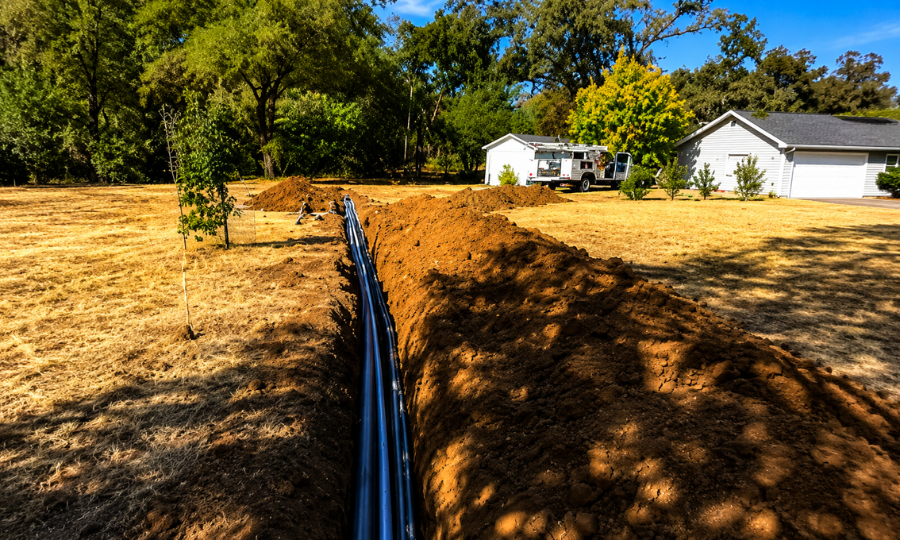
The safest way to install conduit under a driveway is by using trenchless underground boring methods that allow utilities to pass beneath concrete or asphalt without cutting, cracking, or removing the driveway. These methods protect your surface, minimize disruption, and ensure long-term reliability for communication, electrical, or water lines.
Whether you’re a homeowner planning upgrades or a contractor coordinating utility access, trenchless drilling provides a proven, professional solution that aligns with modern infrastructure standards in the USA.
This guide explains how conduit is installed under driveways safely, which methods work best, when trenchless drilling is required, and why professional underground boring is the most reliable choice.
What Does It Mean to Install Conduit Under a Driveway?
Installing conduit under a driveway means placing a protective pipe or sleeve beneath an existing surface to safely route utilities without open trenching.
This process is commonly required for:
- Communication line installations
- Electrical conduit runs
- Low-voltage and communication lines
- Water or utility sleeves (non-excavation routing)
Why Trenching Under a Driveway Is Not Recommended
- Permanent damage to concrete or asphalt
- High restoration costs
- Long downtime for property access
- Risk of uneven settling after repair
- Reduced driveway lifespan
What Are the Safest Methods to Install Conduit Under a Driveway?
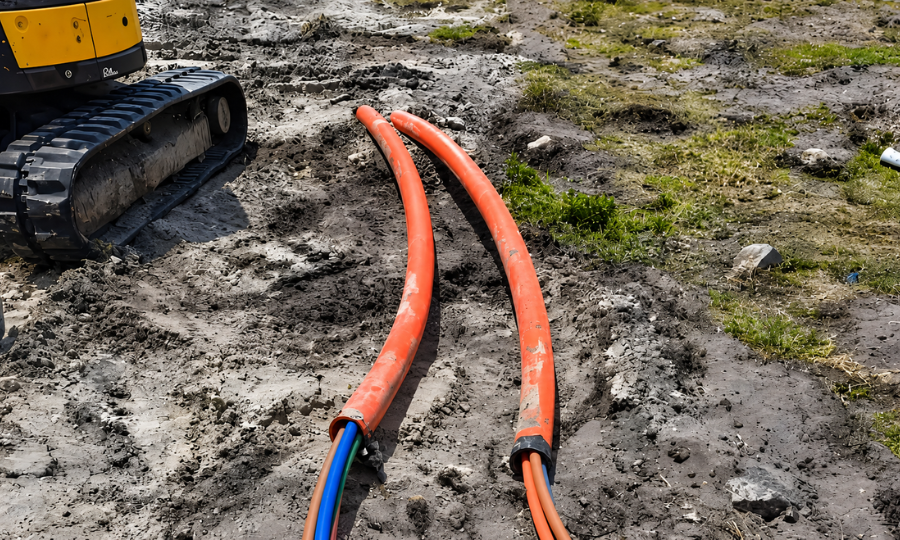
Horizontal Boring (Trenchless Drilling)
Horizontal boring is commonly used to bore pipe under a driveway for Communication, electrical, or utility conduit without cutting or damaging the concrete or asphalt surface.
This method involves drilling a precise horizontal path beneath the driveway without disturbing the surface.
Why horizontal boring works best:
- Preserves driveway integrity
- Allows accurate depth and alignment
- Suitable for communication lines, electrical, and conduit sleeves
- Minimal surface disruption
- Fast completion compared to excavation
Pneumatic Boring (Soil-Dependent)
This method is sometimes effective, but:
- Works best in uniform, soft soil
- Offers less precision than guided boring
- It is not ideal for rocky or compacted ground
For accuracy-critical installations like underground cable installation, controlled trenchless drilling is generally preferred.
Why DIY Methods Are Risky Under Driveways
While DIY driveway boring kits exist, they often cause more damage than savings.
Common DIY risks include:
- Misalignment leading to surface cracking
- Inadequate depth causing conduit exposure
- Soil collapse under driveway slabs
- Utility strikes due to a lack of locating
- Costly repairs exceeding professional installation
How Trenchless Drilling Works for Driveway Conduit Installation
Step-by-Step Trenchless Conduit Installation
- Utility locating to identify existing underground lines
- Entry and exit pit preparation (small, controlled areas)
- Horizontal drilling beneath the driveway
- Conduit or sleeve placement through the bore
- Alignment verification and stabilization
- Clean restoration of entry and exit points
What Types of Conduit Can Be Installed Under a Driveway?
Trenchless drilling supports a wide range of conduit and sleeve applications.
Common installations include:
- Communication line conduit
- Electrical conduit (residential and commercial)
- Low-voltage communication lines
- Protective sleeves for future utility runs
- Underground cable installation pathways
When Should You Choose Trenchless Drilling Over Other Methods?
Trenchless drilling is the best option when:
- The driveway is concrete, asphalt, or pavers
- Property access must remain open
- Aesthetics are a priority
- Long-term durability is required
- Utilities must meet depth and safety standards
Is Installing Conduit Under a Driveway Code-Compliant?
- Local utility depth requirements
- Safety separation standards
- Proper conduit sizing and placement
- Industry best practices for underground installations
Compliance ensures both safety and long-term performance.
Why Professional Trenchless Services Matter
Choosing experienced trenchless specialists reduces risk and improves outcomes.
Professional benefits include:
- Accurate boring and alignment
- Soil-specific drilling techniques
- Reduced chance of driveway damage
- Faster project timelines
- Long-term reliability
If you’re searching for Conduit installation or trusted Pipe Fusion Experts in West Palm Beach, professional trenchless drilling ensures the job is done right the first time.
How Underground Boring Supports Modern Utility Needs
- Communication line deployment
- Electrical system upgrades
- Smart home and low-voltage installations
- Future-proof conduit placement
Frequently Asked Questions
Can conduit be installed under an existing driveway without cutting it?
How deep should the conduit be under a driveway?
Is trenchless drilling safe for concrete driveways?
How long does it take to install conduit under a driveway?
Most residential trenchless conduit installations in West Palm Beach are completed in a short timeframe, often within a day, depending on soil and distance.
Final Thoughts: The Smart Way to Install Conduit Under a Driveway
Installing conduit under a driveway doesn’t have to mean damage, delays, or costly repairs. With trenchless drilling, homeowners and professionals can achieve safe, clean, and long-lasting underground installations for communication, electrical, and utility lines.
By choosing proven underground boring methods, you protect your property, meet modern infrastructure needs, and ensure your installation is built to last.
Ready to Install Conduit Under Your Driveway Without Damage?
If you need to install conduit under a driveway for communication, electrical, or utility lines, trenchless drilling is the safest and cleanest option. Work with experienced professionals like Trenchless Drilling, who use proven underground boring methods to protect your driveway and ensure long-term reliability. Get expert guidance and a damage-free installation done right the first time.