
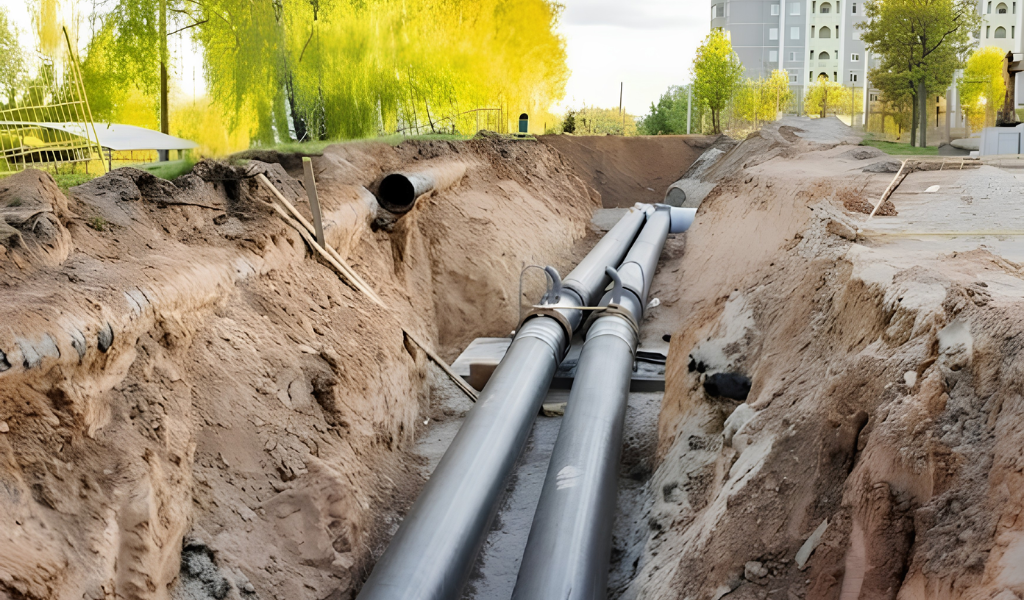
Can You Fix a Sewer Line Without Digging? Yes, in many cases, you can fix a sewer line without digging up your entire yard, driveway, parking lot, or landscaping. Modern trenchless sewer replacement methods allow contractors to repair or replace underground sewer lines using minimal excavation while preserving the surface above.
For property owners, this means less disruption, faster project completion, and significantly lower restoration costs compared to traditional open-cut excavation. When conditions are right, no-dig sewer replacement can restore underground sewer infrastructure while keeping your property intact.
What Is No-Dig Sewer Replacement?
Many property owners assume a failed sewer line automatically means excavators, torn-up landscaping, and weeks of restoration work. That is no longer true in many situations.
No-dig sewer replacement uses trenchless construction techniques that access underground pipes through small entry and exit points instead of digging a continuous trench across the property.
Benefits of trenchless sewer replacement include:
- Minimal surface disruption
- Faster installation timelines
- Reduced landscape restoration
- Less impact on driveways and sidewalks
- Lower traffic disruption
- Long-lasting pipe performance
- Reduced labor requirements
For residential and commercial properties alike, trenchless drilling in Tampa has become one of the most practical ways to replace aging underground sewer systems.
Why Do Property Owners Choose Trenchless Sewer Replacement?
Property owners often discover sewer problems only after recurring backups, foul odors, slow drains, or visible ground settlement.
When repair becomes unavoidable, preserving the property becomes just as important as replacing the pipe itself.
Common reasons property owners choose trenchless methods:
- Protect expensive landscaping
- Avoid cutting concrete driveways
- Prevent parking lot damage
- Reduce tenant disruption
- Minimize business interruptions
- Complete projects faster
- Lower restoration expenses
For many properties, surface restoration can cost nearly as much as the pipe replacement itself. Eliminating unnecessary excavation helps control total project costs.
How Does Trenchless Sewer Replacement Work?
The process begins with understanding the condition and location of the existing sewer line. Every property is different, so proper planning is critical.
After evaluating underground conditions, contractors select the most appropriate trenchless method.
Typical trenchless replacement process:
- Perform sewer camera inspection
- Locate existing utilities
- Assess pipe condition
- Develop a replacement strategy
- Create entry and exit access points
- Install replacement pipe
- Test system functionality
- Restore access locations
Advanced trenchless construction methods allow contractors to work beneath roads, sidewalks, parking areas, and developed landscapes without extensive excavation.
When Is No-Dig Sewer Replacement a Good Option?
Not every sewer issue requires a full excavation project. Many underground pipe failures can be addressed using trenchless solutions.
The best candidates are properties where preserving the surface is a priority.
Trenchless replacement may be ideal when:
- Sewer pipes are cracked
- Root intrusion is recurring
- Pipes have reached the end of service life
- Access is limited
- Landscaping is valuable
- Driveways cover the sewer route
- Parking lots cannot be shut down
The right solution depends on pipe condition, soil conditions, utility conflicts, and project goals.
How Does Trenchless Technology Reduce Property Damage?
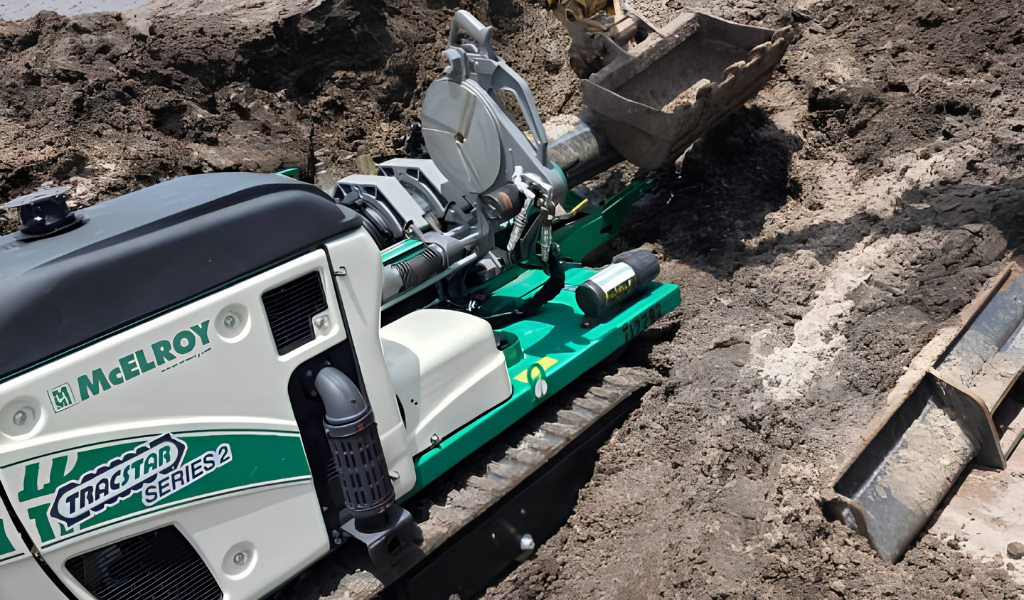
One of the biggest concerns property owners have is the aftermath of construction.
Traditional excavation can leave behind damaged lawns, broken concrete, irrigation repairs, and costly restoration work.
Trenchless methods help avoid:
- Large trenches across the property
- Landscape destruction
- Sidewalk removal
- Road closures
- Extensive concrete replacement
- Excessive soil disturbance
What Role Does HDD Play in Underground Utility Projects?
Property owners often hear terms like directional drilling, HDD, and trenchless boring when researching underground construction.
While sewer replacement methods vary, Horizontal Directional Drilling (HDD) is widely used for installing underground utilities with minimal surface disruption. Trenchless Drilling, LLC specializes in HDD services in Tampa for underground utility installations across residential and commercial projects.
HDD advantages include:
- Precise underground routing
- Minimal excavation
- Reduced environmental impact
- Faster installations
- Safer utility crossings
- Less disruption to traffic
What Are the Signs You May Need Sewer Line Replacement?
Many sewer systems provide warning signs before complete failure occurs.
Recognizing these symptoms early can prevent emergency repairs and costly property damage.
Warning signs include:
- Frequent drain backups
- Multiple clogged fixtures
- Sewage odors
- Slow drainage
- Wet spots in the yard
- Sinkholes or ground settlement
- Unexpected increases in maintenance costs
How Does Trenchless Replacement Help Prevent Future Sewer Problems?
Property owners are often looking for more than a temporary fix. They want a long-term solution that reduces future maintenance.
Modern trenchless sewer replacement systems are designed to provide durable performance while minimizing future disruptions.
Long-term benefits include:
- Improved flow capacity
- Reduced root intrusion risks
- Fewer emergency repairs
- Lower maintenance costs
- Extended service life
- Better overall system reliability
This is also why many property owners researching sewer backup prevention eventually explore trenchless replacement options.
Can Trenchless Construction Help Avoid Underground Utility Damage?
Every underground construction project carries some level of risk. Proper planning is essential to protect existing infrastructure.
Experienced contractors use utility locating, mapping, and advanced guidance systems to reduce conflicts during installation. Trenchless Drilling, LLC emphasizes utility locating and precision-guided HDD operations to protect existing underground infrastructure.
Best practices include:
- Utility locating before excavation
- Ground condition analysis
- Bore path planning
- Real-time guidance systems
- Continuous project monitoring
These practices help reduce the likelihood of costly underground utility damage during construction.
Frequently Asked Questions
Is trenchless sewer replacement permanent?
Does trenchless sewer replacement require any digging?
Is trenchless replacement faster than traditional excavation?
Can trenchless methods protect my driveway?
Yes. One of the major advantages is avoiding unnecessary damage to driveways, sidewalks, parking lots, and landscaping.
Is trenchless sewer replacement suitable for commercial properties?
Absolutely. Commercial properties often benefit from reduced downtime and minimal disruption.
Final Thoughts
If you are looking for a way to fix a sewer line without digging up your entire property, trenchless sewer replacement may be the solution. By minimizing excavation, protecting valuable surfaces, and reducing restoration costs, no-dig methods have become a preferred option for modern property owners.
Working with an experienced trenchless contractor ensures proper planning, accurate utility locating, and efficient installation. Whether you are addressing aging sewer infrastructure or planning a new underground utility project, trenchless technology provides a cleaner and more efficient path forward.
Ready to Fix Your Sewer Line Without Digging?
Sewer problems don’t have to mean torn-up landscaping, damaged driveways, or costly restoration work. At Trenchless Drilling, LLC, we use advanced trenchless technology to replace underground sewer lines with minimal disruption to your property. Contact our team today to schedule a consultation and discover the most efficient solution for your sewer replacement project.
Call Trenchless Drilling, LLC today or request a quote online to learn how our no-dig sewer replacement solutions can save time, reduce property damage, and restore your sewer system with minimal excavation.