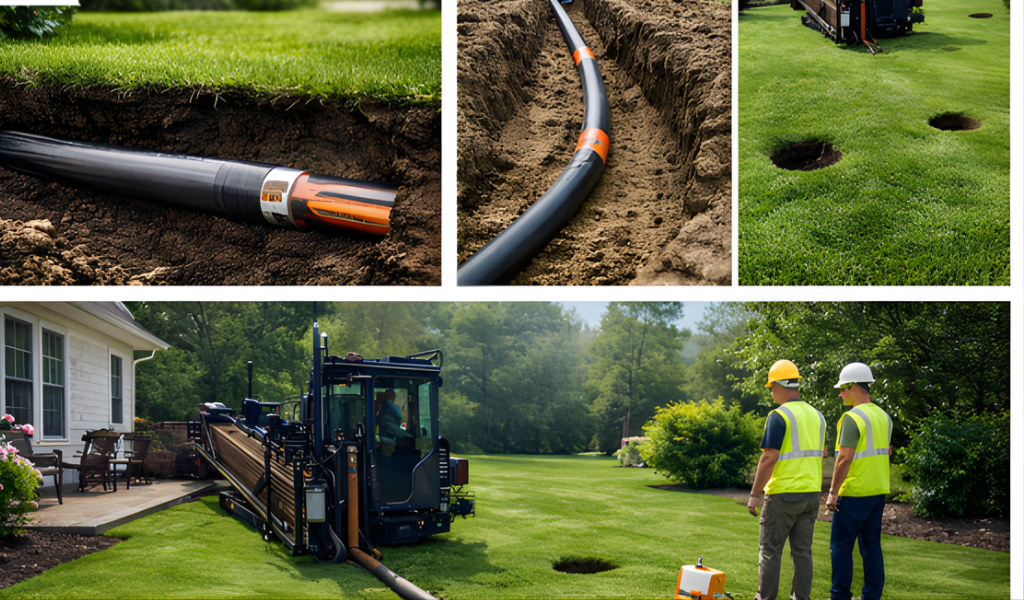
Underground utility damage at rental properties is typically the responsibility of the party that caused the damage, but property owners can still face expensive repairs, tenant complaints, project delays, and liability disputes.The best way to avoid underground utility damage is to identify buried infrastructure before digging and use safe excavation methods such as utility locating and hydro excavation.
For rental property owners, a single utility strike can shut down electrical service, internet connectivity, water supply, sewer systems, or communication lines. Whether you are installing a fence, adding outdoor lighting, upgrading utilities, or running new underground infrastructure, understanding liability and prevention strategies can save thousands of dollars in unexpected costs.
This guide answers the most common questions property owners ask about underground utility damage and explains how to reduce risk before excavation begins.
What Is Underground Utility Damage?
Many property owners assume buried utility lines are easy to identify. In reality, underground infrastructure is often hidden, poorly documented, or installed decades ago.
Underground utility damage occurs when excavation equipment, trenching tools, augers, or construction activities strike buried infrastructure.
Common underground utilities include:
- Electrical lines
- Fiber optic cables
- Telecommunications infrastructure
- Water lines
- Sewer lines
- Gas lines
- Irrigation systems
- Private utility conduits
Damage can occur during:
- Fence installation
- Landscaping projects
- Parking lot improvements
- Utility upgrades
- New construction
- Drainage projects
- Excavation work
- Conduit installation
Who Is Liable for Underground Utility Damage at a Rental Property?
Determining liability depends on who performed the work, who authorized it, and whether proper utility locating procedures were followed.
In most cases, the party responsible for the excavation activity may be liable for damages.
Potentially responsible parties include:
- Property owners
- Contractors
- Subcontractors
- Utility installers
- Landscaping companies
- Maintenance crews
- Tenants who performed unauthorized digging
Several factors often determine liability:
- Whether utility locating was performed before digging
- Whether permits were obtained
- Whether marked utilities were respected
- Whether excavation followed industry standards
- Whether private utility lines were identified
Why Are Rental Properties at Higher Risk for Underground Utility Damage?
Rental properties often undergo frequent upgrades and maintenance projects.
Over time, property owners may install:
- Security systems
- Outdoor lighting
- EV charging stations
- Irrigation systems
- Internet upgrades
- Additional utility connections
Each project increases the likelihood of encountering buried infrastructure.
Additional risk factors include:
- Incomplete utility records
- Multiple past renovations
- Older utility installations
- Unknown private utility lines
- Property ownership changes
- Limited documentation from previous contractors
Many underground utilities are not visible until excavation begins.
What Types of Underground Utilities Are Most Commonly Damaged?
Not all utility strikes have the same consequences.
Some utility damages cause minor inconvenience, while others create major safety hazards.
The most frequently damaged underground utilities include:
Fiber Optic Cables
Fiber optic lines are particularly vulnerable during trenching and excavation.
Damage may result in:
- Internet outages
- Communication disruptions
- Business interruptions
- Emergency repair costs
Electrical Conduits
- Power outages
- Fire hazards
- Tenant complaints
- Expensive emergency repairs
Water Lines
- Flooding
- Soil erosion
- Property damage
- Increased utility costs
Sewer Infrastructure
- Service disruptions
- Health concerns
- Emergency excavation work
- Costly repairs
How Can Property Owners Prevent Underground Utility Damage?
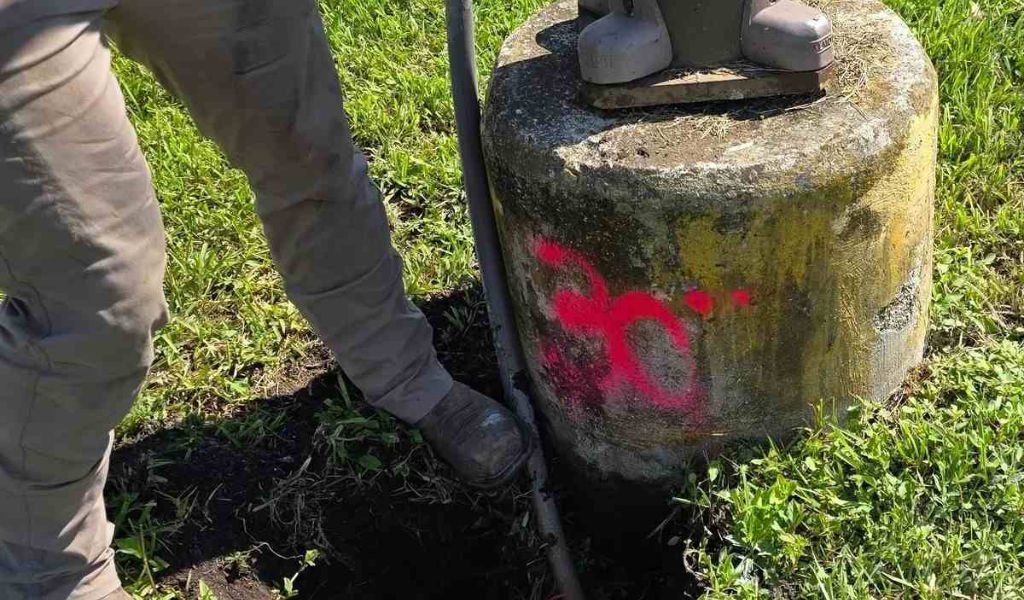
The good news is that most underground utility strikes are preventable.
The safest approach combines planning, utility locating, and non-destructive excavation methods.
1. Locate Underground Utilities Before Digging
Many property owners focus on the excavation itself while overlooking the planning phase.
Before any digging begins:
- Review site plans
- Verify utility records
- Request utility location
- Identify private utility systems
- Assess potential conflict areas
2. Use Hydro Excavation Near Existing Utilities
Traditional mechanical digging increases the risk of striking underground utilities.
Hydro excavation uses pressurized water and vacuum technology to safely expose buried utilities with minimal risk of damage. This method is commonly used for:
- Utility exposure
- Daylighting
- Potholing
- Sensitive excavation areas
- Congested utility corridors
Property owners considering excavation projects should strongly consider professional hydro-excavation in Tampa when utilities are present nearby. Hydro excavation is widely recognized as one of the safest methods for exposing buried infrastructure.
3. Work With Experienced Trenching Professionals
Underground utility work requires more than excavation equipment.
Experienced contractors understand:
- Utility clearances
- Soil conditions
- Safe digging practices
- Conduit installation requirements
- Damage prevention procedures
A qualified trenching contractor in Orlando can help property owners reduce risk while maintaining project timelines.
4. Verify Utility Routes During Renovation Projects
Property modifications frequently alter utility pathways.
Before beginning:
- Parking lot upgrades
- Lighting installations
- Drainage improvements
- Landscape renovations
- Utility expansions
Verify the current utility layout instead of relying solely on historical records.
What Are the Costs of Underground Utility Damage?
Many property owners underestimate the true cost of a utility strike.
Direct costs may include:
- Emergency repairs
- Excavation expenses
- Utility restoration
- Replacement materials
Indirect costs often include:
- Tenant dissatisfaction
- Property downtime
- Lost productivity
- Regulatory issues
- Project delays
How Does Hydro Excavation Reduce Liability Risks?
Property owners increasingly use hydro excavation because it provides a safer alternative to mechanical digging.
Key advantages include:
- Reduced utility strike risk
- Better visibility around utilities
- Minimal soil disruption
- Improved excavation accuracy
- Lower repair costs
- Enhanced project safety
Hydro excavation is especially valuable when working around:
- Electrical systems
- Fiber optic networks
- Water mains
- Sewer infrastructure
- Congested utility corridors
Because the process uses water and vacuum technology instead of metal digging tools, it helps reduce accidental utility damage.
What Should Property Owners Do Before Starting Any Digging Project?
The most successful excavation projects begin with proper planning.
Before breaking ground:
- Identify all underground utilities
- Review utility records
- Hire qualified contractors
- Consider hydroexcavation for sensitive areas
- Establish safe excavation procedures
- Document utility locations
- Communicate with contractors and tenants
These steps dramatically reduce the likelihood of utility damage.
Frequently Asked Questions
Can a tenant be liable for underground utility damage?
Are private utility lines included in standard utility markings?
Is hydro excavation safer than traditional digging?
What utility is most commonly damaged during excavation?
Can underground utility damage delay property improvement projects?
Final Thoughts
Underground utility damage is one of the most expensive and preventable risks rental property owners face during excavation and construction projects. While liability often depends on the circumstances of the incident, the most effective strategy is prevention.
By locating utilities before digging, using hydro excavation around sensitive infrastructure, and partnering with experienced underground utility contractors, property owners can protect their investment, avoid costly repairs, and keep projects moving forward safely.
If your rental property requires trenching, conduit installation, excavation, or utility exposure services, working with experienced underground utility professionals can help ensure the job is completed safely, accurately, and with minimal disruption.
Protect Your Property from Costly Underground Utility Damage
Planning excavation, utility installation, or site improvements at your rental property? The team at Trenchless Drilling, LLC helps property owners avoid expensive utility strikes with professional trenching, hydro excavation, and underground utility solutions. Contact us today to discuss your project and get the expertise needed to complete the work safely, efficiently, and with minimal disruption.