
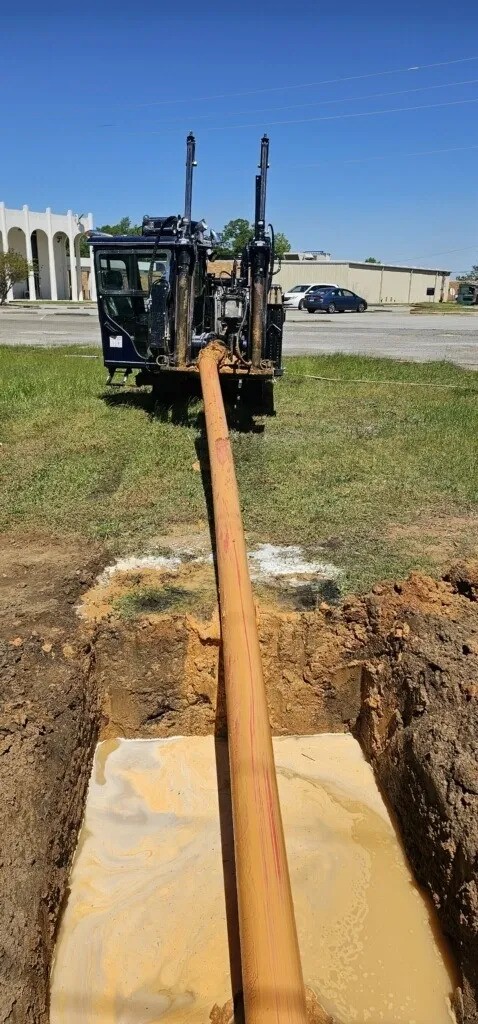
Specialty trade contractors, particularly those involved in underground utility installation and infrastructure projects, often have a significant need for trenchless boring methods. Here’s why:
- Minimized Disruption: Trenchless boring methods allow contractors to install conduits, pipes, and utilities with minimal disruption to the surrounding environment. This is especially beneficial in urban areas where digging trenches can disrupt traffic flow, damage existing infrastructure, and inconvenience residents and businesses.
- Cost Savings: While trenchless methods may have higher upfront costs compared to traditional trenching, they often result in overall cost savings. This is because they reduce the need for extensive restoration work, such as repaving roads or sidewalks, and require fewer labor hours.
- Efficiency: Trenchless methods can be more efficient than traditional trenching, particularly in challenging or congested environments. Contractors can complete projects more quickly and with fewer logistical challenges, leading to faster project delivery and reduced downtime for affected areas.
- Reduced Environmental Impact: By minimizing surface disruption and the need for excavation, trenchless methods help preserve natural habitats, reduce soil erosion, and minimize the risk of pollution or contamination from construction activities.
- Versatility: Trenchless boring methods are versatile and can be used in a variety of soil conditions and project scenarios. Contractors can adapt these methods to navigate obstacles such as existing utilities, rivers, and environmentally sensitive areas.
- Regulatory Compliance: In many jurisdictions, there are regulations governing construction activities, particularly those that impact the environment or public infrastructure. Trenchless methods can help contractors comply with these regulations by minimizing the impact of their work on the surrounding area.
Overall, trenchless boring methods offer specialty trade contractors a range of benefits, including reduced disruption, cost savings, efficiency, environmental protection, and regulatory compliance. As a result, these methods are increasingly becoming the preferred choice for underground utility installation and infrastructure projects.