Underground utility locating services are required before any no-dig work because they prevent dangerous utility strikes, protect property, ensure legal compliance, and keep trenchless projects on schedule. Skipping this step can lead to gas leaks, electrical hazards, costly repairs, and major project delays, even when using advanced no-dig methods like directional drilling.
If you are a property owner planning trenchless drilling, conduit installation, or any underground upgrade, understanding what lies beneath your property is not optional. It is the foundation of a safe and successful project.
What Are Underground Utility Locating Services?
- Gas lines
- Electrical cables
- Water mains
- Sewer lines
- Fiber optic and telecom lines
- Private service connections
Using advanced detection equipment such as electromagnetic locators and ground penetrating radar (GPR), technicians determine the exact horizontal and vertical position of underground lines.
For property owners, this means you gain a clear understanding of what exists below the surface before trenchless work begins.
Why Is Utility Locating Critical Before No-Dig or Trenchless Drilling?
Many property owners assume “no-dig” means “no risk.” That is not accurate.
Trenchless drilling, including horizontal directional drilling, operates underground. Without accurate utility data, even precision drilling can intersect existing lines.
Here’s why underground locating is mandatory before no-dig work:
1. Safety Protection
2. Legal Compliance in the USA
Most states require utility location before excavation under “Call Before You Dig” regulations. However, 811 typically marks only public utilities up to the meter, not private lines on your property.
Professional underground utility locating services ensure you meet compliance requirements and avoid fines or liability.
3. Protection of Private Property Infrastructure
Private service lines, irrigation systems, electrical feeds to detached buildings, or private sewer laterals are often unrecorded.
Without professional locating, these lines are easily damaged during:
- Conduit installation for Orlando projects
- Underground utility upgrades
- Property expansions
- Trenchless drilling operations
4. Avoiding Project Delays
- Shut down the equipment
- Contact emergency services (if applicable)
- Repair damaged lines
- Reschedule inspections
Isn't Calling 811 Enough?
Calling 811 is essential — but it is not always enough.
811 typically identifies public utility lines maintained by utility companies. It often does not include:
- Private electrical lines
- Landscape lighting wiring
- Private water lines
- Sewer laterals
- Secondary conduits
How Does Utility Locating Work?
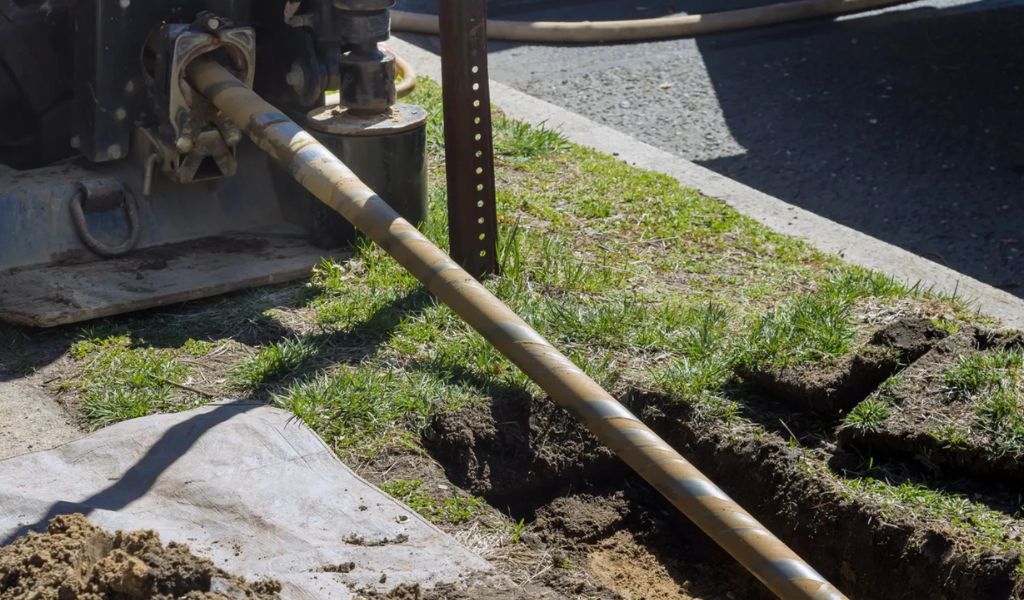
Electromagnetic Locators
Used to detect metallic pipes and energized cables.
Ground Penetrating Radar (GPR)
GPR detects both metallic and non-metallic utilities. It is especially useful in complex environments and for identifying unknown lines.
For example, services such as ground penetrating radar Orlando are often used to scan areas before drilling or concrete work begins.
Surface Marking & Mapping
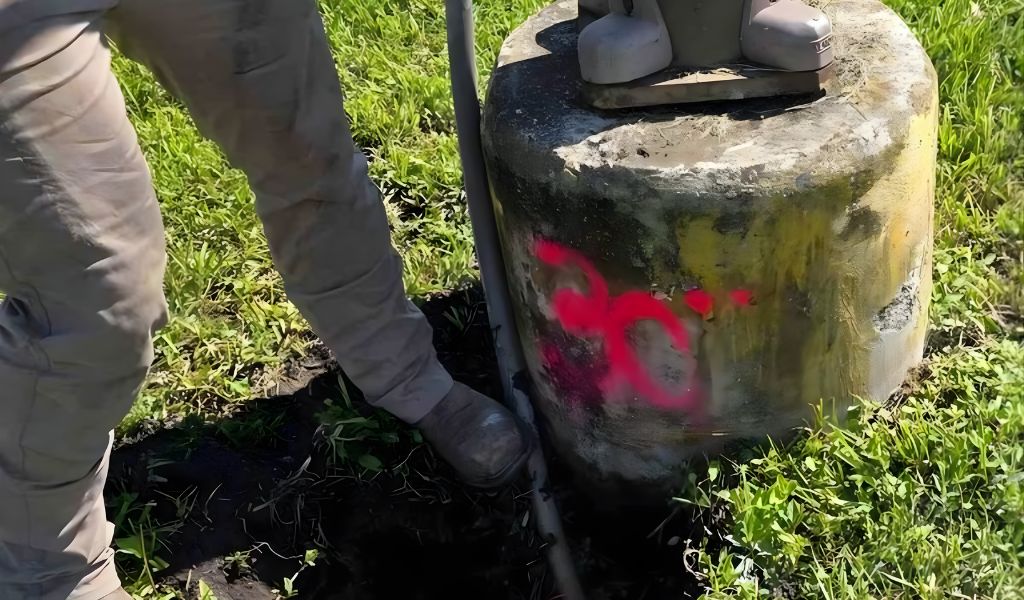
After detection, utilities are marked and documented so drill operators can plan safe bore paths.
How Does This Protect Your Property?
When upgrading infrastructure underground, your goal is to improve your property, not create new damage.
Professional locating helps you:
- Protect your property during underground utility upgrades
- Avoid tearing up newly finished surfaces
- Maintain landscaping integrity
- Preserve structural stability
What Happens If You Skip Underground Utility Locating?
- Gas leaks
- Electrical outages
- Internet and telecom disruptions
- Flooding from broken water lines
- Expensive emergency repair bills
- Liability for injuries
How Utility Locating Supports Trenchless Drilling Projects
- Minimal surface disruption
- Faster installation
- Reduced restoration costs
But trenchless success depends on precision.
Before drilling begins, locating services allow contractors to:
- Design safe bore paths
- Avoid intersecting utility corridors
- Maintain required separation distances
- Reduce risk during conduit installation on Orlando projects
Does Utility Locating Also Apply to Concrete Areas?
- Rebar
- Post-tension cables
- Embedded conduits
How Property Owners Benefit Financially
- Prevents costly repair bills
- Reduces insurance claims
- Avoids regulatory penalties
- Minimizes project downtime
- Protects long-term property value
When Should You Schedule Underground Utility Locating?
- Any trenchless drilling
- Installing new underground conduits
- Utility rerouting
- Property expansions
- Concrete cutting or coring
- Site development work
Key Takeaways for Property Owners
- 1. Underground utility locating services are required before any no-dig work to ensure safety and compliance.
- 2. 811 does not always identify private utilities.
- 3. Skipping locating can cost far more than performing it correctly.