
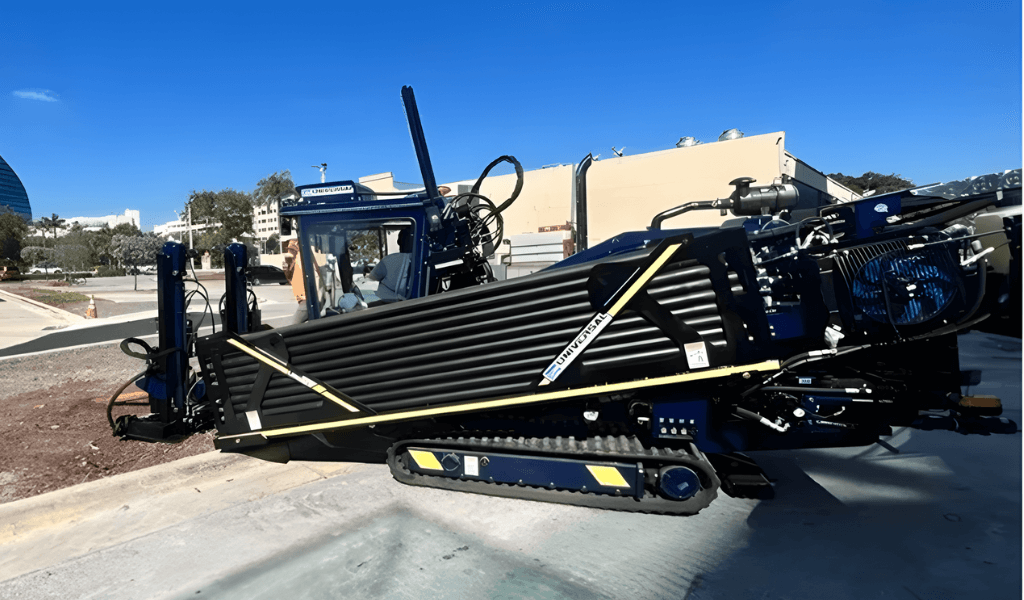
Yes, boring under roadways is the safest, cleanest, and most cost-effective way to repair or install utility lines without tearing up pavement or disrupting traffic. In fact, it’s the preferred method across the USA for property owners, contractors, and municipalities who want to protect streets while upgrading critical underground systems. Unlike traditional trenching, which requires cutting wide trenches across roadways, modern trenchless boring allows crews to create a precise underground path without touching the surface.
For property owners in busy areas like West Palm Beach, this matters. Road closures, permits, traffic detours, and street repairs can increase project costs dramatically. Boring under roadways avoids these complications, making utility work faster, cleaner, and much more convenient. Below is a complete guide explaining how it works, why it’s the superior choice, and when to hire a professional contractor.
What Is Boring Under Roadways?
A Simple Explanation of Roadways Boring
- Water lines
- Sewer lines
- Electrical conduits
- Underground cable installation
- Underground fiber optic cable installation
- Irrigation lines
- Gas lines
- Communication conduits
Why Boring Under Roadways Is Better Than Traditional Trenching
Top Advantages for Property Owners
- No road damage — Roads, driveways, and parking lots stay untouched.
- No traffic disruption — No lane closures, detours, or public inconvenience.
- Lower restoration costs — No need to repave asphalt or repair concrete.
- Faster project timelines — Drilling is quicker than cutting, trenching, and backfilling.
- Cleaner job sites — No massive piles of dirt or long open trenches.
- Reduced permitting delays — Municipalities prefer trenchless methods in urban areas.
- Safer for workers and the public — Eliminates wide, hazardous trenches in high-traffic zones.
How Boring Under Roadways Works (Step-by-Step)
Before we list the steps, the process is precise and engineered to protect both the surface and the underground utility systems.
Directional Boring Process Explained
Step 1: Underground Utility Locating
- Crews map existing utilities to avoid risks during drilling.
- This step prevents damage to water, sewer, electrical, and fiber lines.
Step 2: Entry & exit pits are created
- Small pits on each side of the roadways give access to drill equipment.
Step 3: Pilot hole drilling begins
- A steerable drill head bores a guided path beneath the roadways.
Step 4: Path expansion (if needed)
- The tunnel is enlarged to match the pipe or conduit being installed.
Step 5: Pipe pulling / installation
- New utility lines are pulled smoothly through the underground bore.
Step 6: Final inspection & connection
- Utility lines are tested, connected, and the entry/exit pits are restored.
When Should Property Owners Choose Boring Under Roadways?
Ideal Scenarios for roadways Boring
When utilities need to cross:
- Major streets
- Residential roads
- Driveways
- High-traffic intersections
When installing new:
- Water lines
- Sewer laterals
- Electrical conduits
- Irrigation lines
- Communication cables
When avoiding:
- High restoration costs
- Damage to pavement
- Delays due to permits
- Safety hazards associated with open trenches
- When upgrading older neighborhoods where underground systems need modernization
Directional Boring Contractor: Why Local Expertise Matters
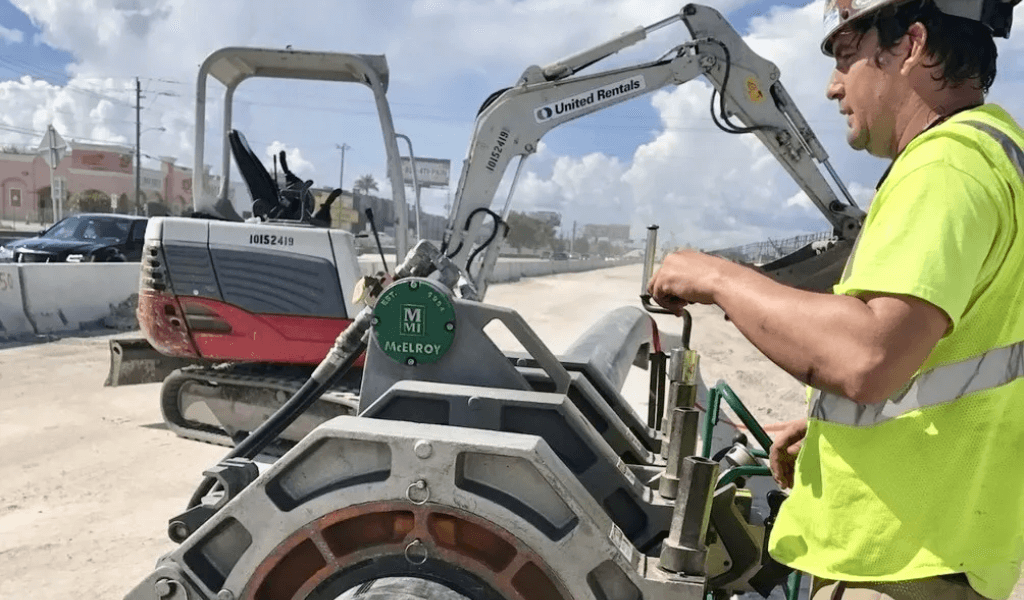
Before choosing a directional boring contractor in West Palm Beach, remember this: experience and proper trenchless equipment determine whether your roadway boring project will succeed.
Why Hire a Local, Specialized Contractor
- Knows local soil conditions — West Palm Beach has sandy, wet, and sometimes unstable soils that require precision.
- Understands municipal codes — Local regulations affect depth, method, and permit requirements.
- Owns the right boring equipment — Only trenchless-ready rigs can safely bore beneath roadways.
- Safer and faster — Experienced drill operators reduce risk and downtime.
- Cost-effective — Knowledge of local conditions prevents expensive mistakes.
Horizontal Directional Drilling (HDD): The Technology Behind Roadways Boring
Before listing the advantages, note that Horizontal Directional Drilling West Palm Beach is the core technique used to bore under roadways in the most precise and controlled manner.
What HDD brings to roadways Boring
- Steerability — Drill heads can be navigated around underground obstacles.
- Accuracy — Depth, angle, and alignment are digitally monitored.
- Long-distance capability — Perfect for wide streets or multi-lane highways.
- Minimal surface disturbance — No digging up the road above the bore.
- Supports multiple utility types — Water, sewer, power, communication, and more.
- Great for residential + commercial properties
Common Utilities Installed Using Boring Under Roadways
Utility Applications
- Water service lines
- Sewer laterals and sanitary systems
- Stormwater pipes
- Electrical conduits
- Underground cable installation
- Underground fiber optic cable installation
- Irrigation & sprinkler systems
- Low-voltage communication conduits
- Gas lines
Costs: Is Boring Under roadways More Affordable?
Cost Factors Property Owners Should Expect
- Pipe or conduit type and diameter
- Length of bore (distance under roadways)
- Soil difficulty
- Depth required
- Access to entry/exit points
- Permit requirements
- Need for traffic control (if any)
- Complexity of existing underground utilities
- Asphalt removal
- Concrete cutting
- roadways restoration
- Traffic control crews
- Additional permitting
Frequently Asked Questions
Does boring under the roadways damage the road above it?
How long does a roadways boring project take?
Are the roadways boring and safe near existing utilities?
Can property owners upgrade multiple utilities at once?
Is boring under the roadways legal in all US states?
Final Thoughts: Why Boring Under Roadways Is the Best Choice
Working with a specialized contractor like those at Trenchless Drilling ensures you get precision, compliance, and high-quality results for any underground utility installation in West Palm Beach or surrounding Florida communities.