
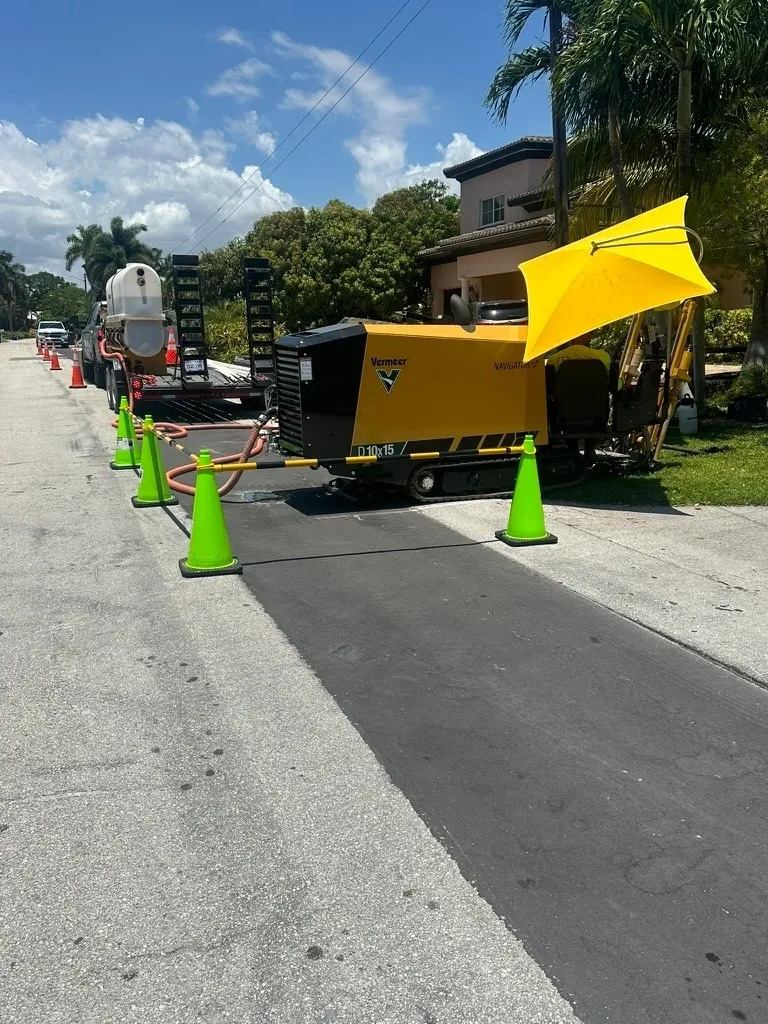
Key Factors in Selecting a Trenchless Drilling Method
The first step in choosing a trenchless drilling method is evaluating your project’s scope and constraints. For example, horizontal directional drilling (HDD) excels in projects requiring long, curved underground paths, such as installing fiber optic cables beneath rivers or highways. In contrast, microtunneling, a method that uses remote-controlled boring machines, is better suited for precise, straight-line installations in urban areas with existing infrastructure. Soil conditions also play a critical role. Sandy or loose soils may require slurry-supported HDD rigs to stabilize boreholes, while rocky terrains demand microtunneling machines equipped with cutting heads.
Environmental impact is another priority. HDD generates less surface disruption than open-cut methods, making it ideal for ecologically sensitive areas. However, in projects near wetlands, microtunneling’s closed-system design prevents drilling fluid from contaminating groundwater. Budget constraints also influence decisions: HDD typically costs 100–300 per linear foot, while microtunneling ranges from 500–1,200 per foot due to its precision and equipment requirements. For instance, a recent project used HDD to install a 1,200-foot water line beneath a protected mangrove forest, avoiding environmental fines and preserving the ecosystem.
When planning a trenchless project, regulatory requirements and permitting timelines are equally critical. Municipalities often have strict guidelines for underground work, especially near protected areas or existing utilities. For instance, in coastal regions like the Florida Keys, permits for HDD near marine reserves require environmental impact assessments and biodegradable drilling fluids. Delays in permitting can inflate project costs, so early engagement with local authorities is essential.
Comparing Trenchless Drilling Techniques
Horizontal Directional Drilling (HDD)
Microtunneling
Direct Pipe Installation
Pipe Jacking
Pipe jacking, often confused with microtunneling, involves mechanically pushing pipes through the ground while excavating the soil at the same time. This method is commonly used for large-diameter sewer or water mains in urban environments where surface disruption must be minimal.
Pipe jacking is particularly effective in cohesive soils like clay, where the borehole remains stable without excessive slurry support.
Common Challenges and Mitigation Strategies
Trenchless drilling is not without hurdles. Unexpected soil conditions, such as encountering boulders or mixed geology, can stall progress. During a Jacksonville project, our HDD rig hit an uncharted layer of granite, requiring a switch to microtunneling equipment. To mitigate such risks, we recommend conducting thorough geotechnical surveys and using ground-penetrating radar (GPR) to map subsurface conditions.
Another challenge is managing drilling fluid in HDD projects. Fluid leaks can damage ecosystems, so we use biodegradable, non-toxic fluids and real-time pressure monitoring.