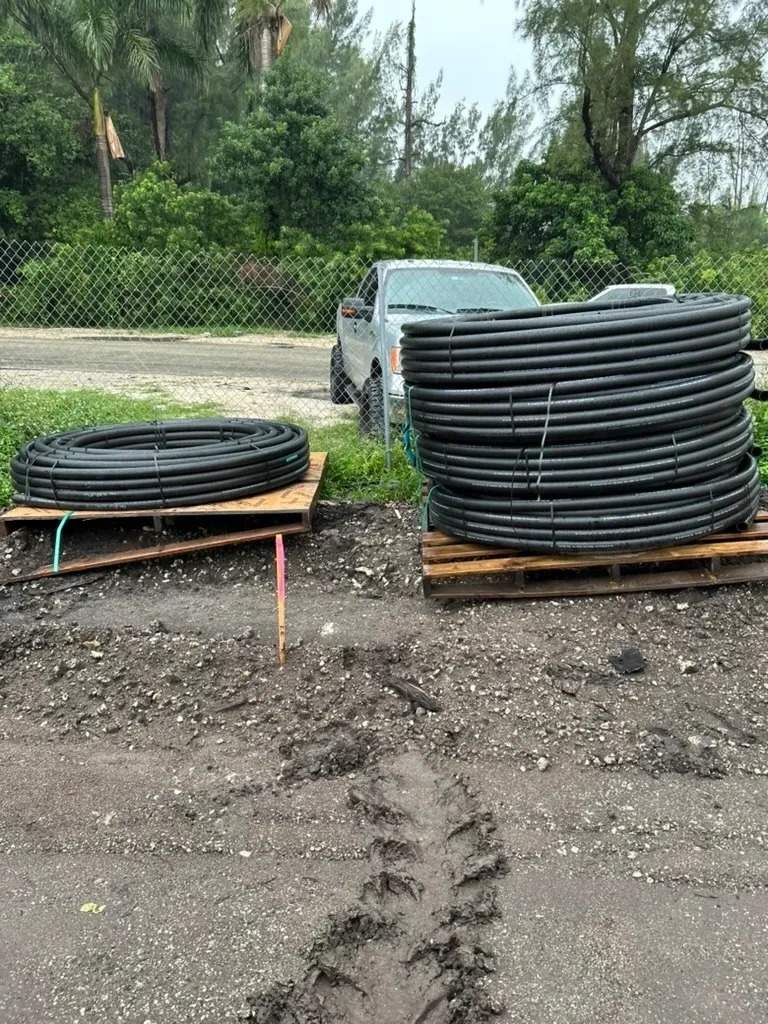
At Trenchless Drilling, we often hear property owners ask, “How long will my trenchless sewer repair last?” It is a critical question, especially when investing in alternatives to traditional excavation. Having completed thousands of projects, we can confidently say that trenchless sewer repairs typically last 50 years or more when performed correctly. However, durability depends on factors like material quality, installation precision, and environmental conditions. Let us break down what influences the lifespan of trenchless repairs and why this method is a smart long-term investment for homeowners and contractors alike.
Understanding the Lifespan of Trenchless Sewer Repairs
Trenchless sewer repair methods, such as pipe lining (cured-in-place pipe) and pipe bursting, are designed to restore or replace damaged pipes without excavation. These techniques use advanced materials like epoxy resin and high-density polyethylene (HDPE) that resist corrosion, root intrusion, and chemical wear. In our experience, epoxy-lined pipes installed in the early 2000s remain fully functional today, with no signs of deterioration.
The secret to this longevity lies in the materials and process. Epoxy resin hardens into a seamless, joint-free liner that eliminates weak points prone to leaks. HDPE pipes are flexible, allowing them to shift with soil movement without cracking. Unlike traditional PVC or cast iron, these materials do not rust, corrode, or degrade over time.
Key Factors That Influence Durability
While trenchless repairs are inherently durable, their lifespan depends on three critical factors:
Quality of Installation
Trenchless methods require precision. For example, improper curing of epoxy resin, such as uneven heat distribution during the curing pase, can create weak spots. Always verify that your contractor uses industry-standard equipment and follows manufacturer guidelines.
Pipe Condition and Material
Trenchless lining works best on pipes with structural integrity. If the host pipe is severely collapsed or misaligned, relining may fail. In such cases, pipe bursting (replacing the old pipe with HDPE) is more reliable.
Environmental Factors
Soil type, groundwater levels, and root activity impact longevity. In Central Florida’s sandy soils, HDPE pipes excel due to their flexibility. However, in areas with aggressive tree roots, such as Boca Raton, we recommend annual root treatment to protect liners.
Comparing Trenchless vs. Traditional Sewer Repair Lifespans
Traditional sewer repairs using PVC or cast iron typically last 20–30 years. PVC joints are prone to leaks, while cast iron corrodes over time. Trenchless methods avoid the “hidden decay” of traditional repairs, preventing future corrosion.
Cost vs. Longevity: Is Trenchless Repair Worth It?
While trenchless sewer repair costs 80–80–250 per linear foot (vs. 50–50–150 for traditional), the long-term savings are significant. Consider a 40-foot sewer line repair under a driveway:
Over 50 years, trenchless avoids repeat repairs and restoration costs. For contractors, this method also reduces liability risks from accidental utility strikes during digging.
Maximizing the Lifespan of Your Trenchless Repair
From our decades of experience, we recommend three key practices to maximize the lifespan of trenchless sewer repairs. First, schedule annual inspections using sewer cameras to detect early signs of root intrusions or debris buildup, which can compromise pipe integrity. Secondly, avoid chemical drain cleaners, as harsh solvents gradually degrade epoxy liners, weakening their resistance to leaks and corrosion. Finally, partner with certified professionals for installations, as improper curing or alignment can void warranties and shorten the repair’s lifespan. For instance, in a condo association we work with schedules bi-annual camera inspections, allowing our team to catch minor root intrusions and sediment accumulation before they escalate into costly repairs. This proactive approach has extended their liner’s lifespan by over a decade, showcasing the value of routine maintenance and expert collaboration.
Why Choose Trenchless Drilling?
We have spent decades refining trenchless sewer repair techniques to serve property owners and contractors directly. Our team uses robotic cutters for lateral reinstatements, infrared thermography for curing validation, and GPS-guided equipment for precision. Recently, we repaired a 100-foot sewer line beneath a Beach hotel using UV-cured lining, completing the project in 18 hours with a 50-year warranty. Explore our trenchless sewer repair services to learn how we tailor solutions for your needs.
Ready for a Durable, No-Dig Solution?
Do not let aging sewer lines disrupt your property. Contact Trenchless Drilling for a free inspection and discover why our repairs outlast traditional methods.
Built to last. Backed by expertise.