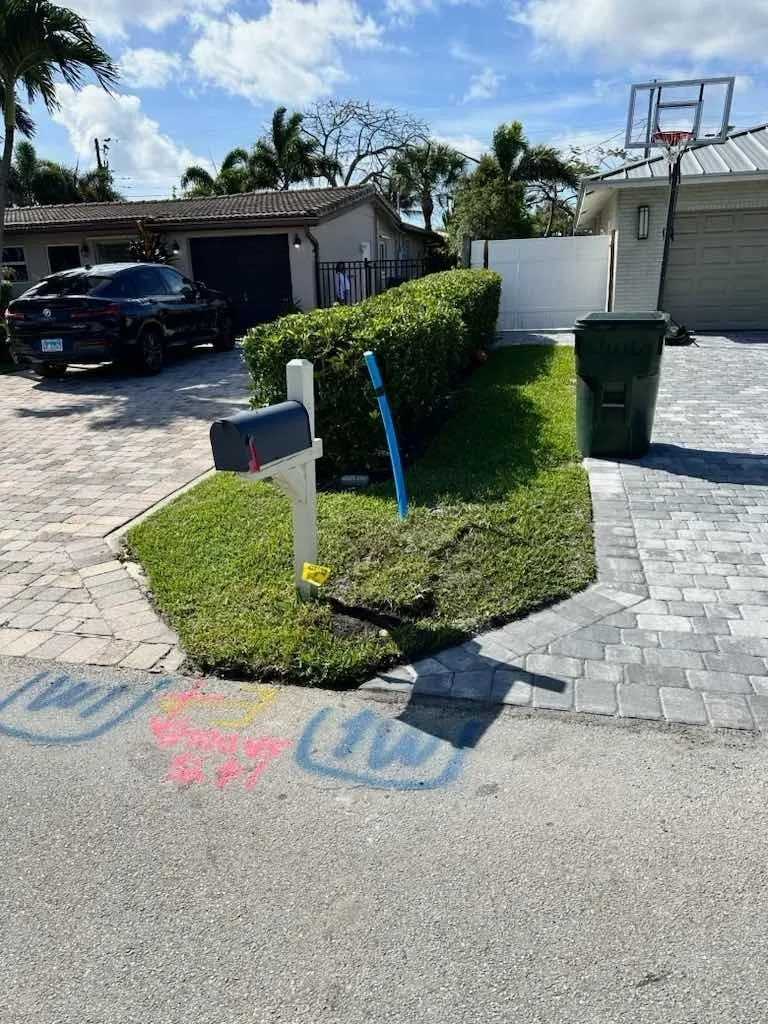
Marking utilities for directional drilling is crucial for several reasons:
- Preventing Damage: Underground utilities like gas lines, water pipes, and electrical cables are often fragile and can be easily damaged during drilling operations. Marking helps drillers avoid these obstacles and prevent costly accidents, service disruptions, or even personal injury.
- Compliance: Many jurisdictions have regulations that require utilities to be located and marked before any excavation or drilling takes place. Compliance with these regulations is essential to avoid fines, legal liabilities, and project delays.
- Efficiency: Accurately marked utilities enable drillers to plan their drilling paths more effectively. By knowing the location of underground obstacles, drillers can choose the optimal path to minimize disruptions and complete the project efficiently.
- Cost Savings: Damage to underground utilities can result in significant repair costs, not just for the utility companies but also for the project owners. By marking utilities and avoiding damage, project costs can be kept under control.
- Safety: Safety is paramount in any construction or drilling project. Marking utilities helps ensure the safety of workers, bystanders, and the surrounding environment by reducing the risk of accidents such as gas leaks, electrical shocks, or water contamination.
- Maintaining Infrastructure Integrity: Protecting underground utilities during directional drilling helps maintain the integrity of critical infrastructure. Damage to utilities can compromise essential services, disrupt communities, and lead to costly repairs and downtime.
In summary, marking utilities for directional drilling is essential for ensuring safety, compliance with regulations, efficient project execution, and cost-effective infrastructure development. It helps prevent damage to underground utilities, protects public safety, and minimizes the risks and costs associated with construction and drilling operations.