
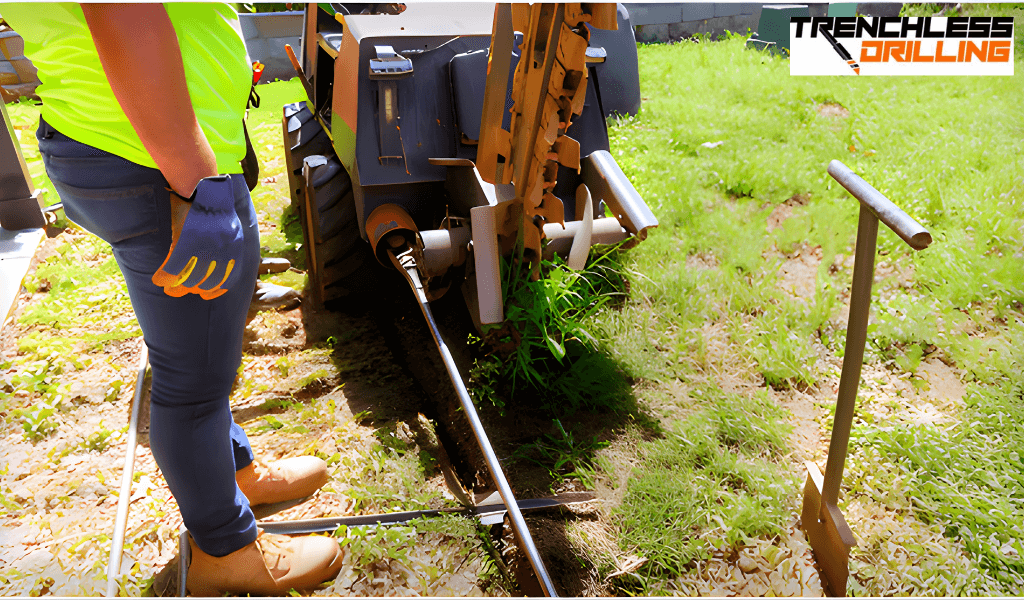
If you are a homeowner or business owner contemplating underground utility work, whether replacing a water line, repairing a sewer lateral, or installing conduit beneath your property, then choosing the right method can make all the difference. While traditional open-cut excavation has been the default for decades, it often results in massive destruction to driveways, roads, landscaping, and business access, and can lead to lengthy downtime and large restoration bills.
By contrast, the trenchless technology benefits offered by modern contractors are compelling: minimal surface disruption, faster timelines, and lower overall cost of ownership. In this blog, we’ll walk through how trenchless drilling in West Palm Beach reduce construction delays and saves money.
What Is Trenchless Technology?
Trenchless technology refers to a set of underground construction methods that allow the installation, replacement, or rehabilitation of pipelines and utilities with minimal excavation of the surface above. Instead of digging long trenches and disrupting landscaping, roads, or driveways, trenchless techniques typically require only small access pits and allow much of the soil or pavement above to remain intact.
Key Methods:
- Horizontal Directional Drilling (HDD): A steerable drilling rig creates a bore path and pulls in new pipe beneath the surface, ideal for installing or replacing utilities beneath roads, driveways, or buildings.
- Pipe Bursting: The existing pipe is fractured or "burst" out of the way while a new pipe is simultaneously pulled into its place; this allows full replacement without open trenching.
- Slip-Lining & Cured-In-Place Pipe (CIPP): Existing pipe is rehabilitated by inserting a liner or lining the interior, extending life without full removal.
How Trenchless Technology Reduces Construction Delays
One of the major advantages of these methods is time savings and avoidance of typical delays that plague open-cut projects.
Fewer Road/Driveway Closures
In traditional excavation, large trenches must be dug, often closing driveways, sidewalks, or even public roads. That can trigger permit delays, heavy traffic disruption, and additional restorations. By using trenchless methods, the surface stays largely intact; you might only see a couple of small access pits. According to a USDA Forest Service summary, trenchless replacement can significantly minimize traffic disruptions associated with excavation.
Less Business & Customer Disruption
For business owners, downtime is money. A retail store, restaurant, or office that loses customer access because of heavy equipment and open trenches may suffer revenue losses. Trenchless work is inherently less obtrusive, less noisy, less heavy trucking, fewer closures, meaning the business can often continue operating closer to normal.
Faster Project Timelines
Due to the reduced need for excavating, backfilling, pavement restoration, and traffic re-routing, trenchless projects typically finish sooner. For example, an academic analysis of utility cuts using trenchless technology pointed out significant savings in user/traffic delays. Shorter timelines mean you get back to normal operations faster and avoid additional costs tied to delays.
How Trenchless Technology Saves Money
Beyond faster completion, the financial advantages of trenchless technology for property owners become clear when you evaluate the full lifecycle cost, not just the initial installation.
Lower Restoration Costs (landscape, pavement)
Excavating roads or driveways means heavy machinery, removal of asphalt or concrete, potential damage to landscaping, fencing, or hardscape features, and then full restoration (repaving, replanting, permitting). Trenchless methods avoid many of these, and as one report states, even when the upfront installation cost is slightly higher, the overall cost can be lower when all factors are included.
Reduced Business Downtime & Traffic Impact
For business owners, disruptions mean lost revenue, customer complaints, and potential reputational risk. For homeowners, prolonged disruption can mean inconvenience, increased temporary access costs, or alternate arrangements. Minimizing construction delays translates into fewer hidden costs.
Long-Term Durability and Fewer Future Repairs
Many trenchless solutions use modern pipe materials or coatings with extended lifespan and better resistance to corrosion or root intrusion. Choosing such a method means you may avoid recurring repairs or failures down the road. According to one source, trenchless technology is increasingly seen as a cost-effective option when considering asset value over time.
How to Choose the Right Contractor
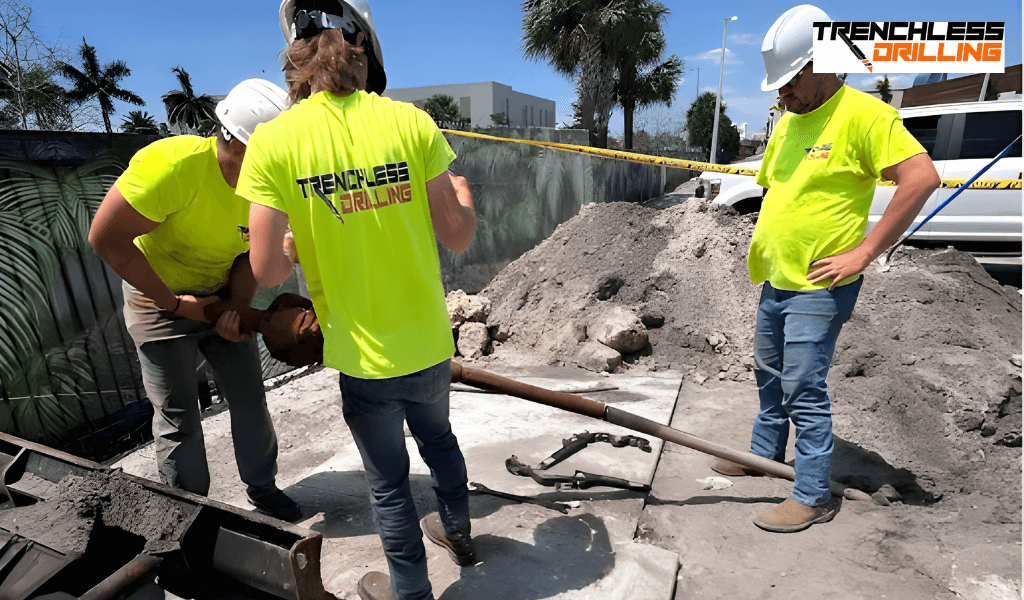
Selecting the right contractor makes the difference in realizing the full benefits of trenchless methods. Here are three key questions to ask before hiring a directional drilling contractor:
Experience & Equipment
- Ask how many trenchless jobs the contractor has completed in your area (residential/commercial).
- Verify equipment: Do they use HDD rigs, pipe-bursting tools, modern lubricants, and guides?
- Request case studies or references; you're hiring a directional drilling contractor who must manage underground obstacles, accuracy, and minimal disruption.
Minimizing Disruption & Scheduling Flexibility
- What is the planned schedule, and how will access be maintained?
- Will landscaping, driveways, and sidewalks stay intact? How will site restoration be handled?
- Ask about traffic/parking management (important in business settings) and how the team will coordinate to minimize customer/tenant impact.
Cost Transparency & Warranty
- Ensure the quote includes all restoration costs (surface, hardscape, concrete/asphalt, landscaping) to avoid surprise follow-up bills.
- Ask about overtime, weekend work (if needed to minimize business disruption).
- Check the warranty: for pipe materials, workmanship, and service interruptions. A credible trenchless contractor will offer assurances and documentation.
Frequently Asked Questions
How much faster is trenchless compared to traditional open-cut?
Is trenchless always more expensive upfront?
Can trenchless be used everywhere, such as under driveways, roads, and commercial lots?
Yes, trenchless methods like HDD and pipe bursting are specifically suitable for under driveways, sidewalks, roads, and commercial surfaces. The key is a site evaluation of pipes, soil conditions, and access.
What kind of restoration will be required after trenchless work?
What indicates that a homeowner or business should consider trenchless instead of open-cut?
Conclusion
Ready to Reduce Delays and Cut Costs? Let's Talk Trenchless.
At Trenchless Drilling, we bring decades of experience in providing trenchless solutions tailored to your property, your schedule, and your budget. Contact us today to learn more and take advantage of the trenchless technology benefits that minimize delays and save you money.