
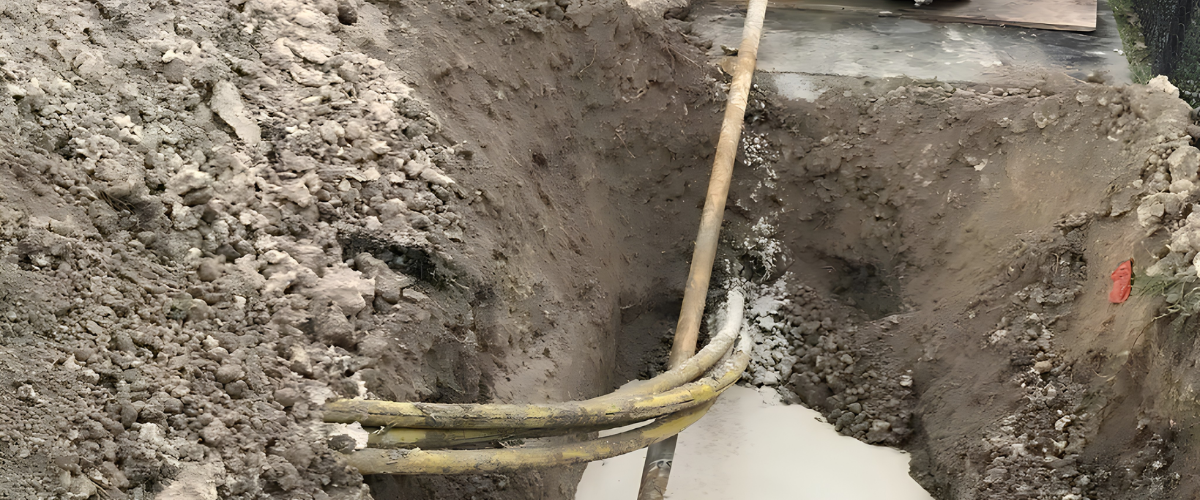
Adding electricity to a shed, garage, or detached building starts with creating a safe underground pathway for the wire. The best approach is to install a properly planned underground conduit system that protects electrical wiring, meets local code requirements, and allows a licensed electrician to pull the wire safely once the conduit is in place.
Whether you’re powering a workshop, installing outdoor lighting, installing an underground conduit for EV charger, or adding a home office, the quality of the underground installation determines the reliability of your electrical system for years to come. Many property owners focus on the wire itself, but the underground conduit is what shields it from moisture, shifting soil, accidental digging, and long-term wear. This guide answers the most common questions about running underground wire while explaining why professional conduit installation is one of the smartest investments you can make before any electrical work begins.
What Is the Best Way to Run Underground Wire to a Shed or Detached Building?
Before selecting materials or planning excavation, it’s important to understand that underground electrical systems involve two separate components: the conduit pathway and the electrical wiring. While electricians install the wire itself, the conduit system creates the protected route that keeps the wiring safe underground.
The most reliable method includes:
- Planning the utility route before digging.
- Locating existing underground utilities.
- Installing a durable underground electrical conduit.
- Following local and national code requirements.
- Having a licensed electrician pull the electrical wire through the completed conduit.
This approach provides several advantages:
- Protects wiring from moisture and physical damage.
- Makes future wire replacement much easier.
- Reduces the likelihood of accidental cable damage.
- Supports future electrical upgrades.
- Improves long-term system reliability.
For larger properties or areas with landscaping, driveways, sidewalks, or mature trees, trenchless conduit installation often minimizes disruption while creating the same protected underground pathway.
Why Should Underground Electrical Wire Be Installed Inside a Conduit?
Many homeowners wonder whether conduit is really necessary. In most situations, installing conduit provides better protection, greater flexibility, and easier maintenance than leaving electrical cable directly exposed underground.
A properly installed conduit for underground electrical wire helps protect the investment while simplifying future upgrades.
Benefits include:
- Shields wiring from rocks and shifting soil.
- Reduces exposure to groundwater.
- Protects against accidental shovel strikes.
- Makes replacing damaged wire significantly easier.
- Allows additional wiring to be added later if needed.
- Extends the lifespan of the underground electrical system.
For property owners planning long-term improvements, conduit installation in Ocala is often the most practical solution because it creates permanent infrastructure rather than a temporary installation.
What Type of Conduit Is Best for Underground Electrical Wire?
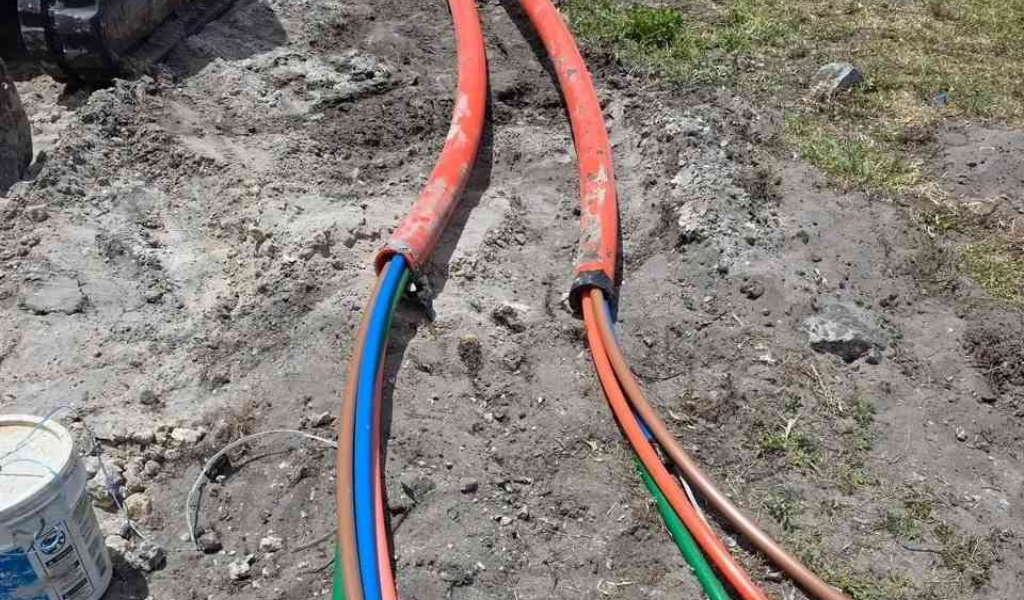
Not every conduit performs equally in underground environments. Selecting the appropriate material depends on soil conditions, project size, future accessibility, and installation method.
Several conduit materials are commonly used for underground applications:
PVC Conduit
PVC remains one of the most widely used options because it offers excellent corrosion resistance and performs well in underground environments.
Advantages include:
- Lightweight.
- Resistant to moisture.
- Affordable.
- Long service life.
- Easy to install.
HDPE Conduit
High-density polyethylene (HDPE) is frequently chosen for trenchless drilling and directional boring projects because it provides flexibility without sacrificing durability.
Benefits include:
- Continuous installation over long distances.
- Excellent flexibility.
- Reduced joint failures.
- Ideal for directional drilling projects.
- Performs well in varying soil conditions.
Rigid Metal Conduit
Some commercial or industrial applications may require rigid metal conduit for additional physical protection, depending on project specifications.
The right conduit should always match the property’s specific requirements, future expansion plans, and installation conditions.
Can You Install Underground Wire Without Digging Up the Entire Yard?
Traditional trenching is no longer the only option for installing underground conduit. Modern trenchless technologies allow for many underground utility installations in Orlando while preserving existing landscaping and hardscape.
When suitable for the project, trenchless installation can significantly reduce restoration costs and minimize disruption.
Common advantages include:
- Minimal lawn damage.
- Protection of mature landscaping.
- Fewer disruptions to driveways and sidewalks.
- Faster project completion.
- Reduced cleanup after installation.
Horizontal directional drilling is especially beneficial when an underground conduit must pass beneath concrete surfaces, decorative landscaping, or established property features without extensive excavation.
When Should You Hire Professionals for Underground Conduit Installation?
Although some small residential projects appear straightforward, underground utility work often becomes more complex than expected. Existing gas lines, water pipes, irrigation systems, communication cables, and tree roots can quickly complicate excavation.
Professional underground conduit installation offers several advantages:
- Accurate utility locating.
- Specialized directional drilling equipment.
- Proper conduit placement.
- Reduced property damage.
- Efficient installation around existing obstacles.
- Long-term infrastructure designed for future electrical needs.
For property owners seeking professional conduit installation in West Palm Beach, experienced contractors can install protected underground conduit pathways while minimizing disruption to the surrounding property.
What Are the Most Common Mistakes When Running Underground Wire?
Many underground electrical problems begin with poor planning rather than poor materials. Avoiding a few common mistakes can save property owners significant repair costs and help ensure the conduit system performs reliably for years.
Common mistakes include:
- Digging without locating existing underground utilities.
- Choosing the wrong conduit size for future electrical needs.
- Installing conduit at an incorrect depth.
- Using unnecessary bends that make wire pulling difficult.
- Failing to plan for future expansion.
- Damaging landscaping or hardscape during excavation.
- Hiring contractors who lack experience with underground utility installations.
A professionally planned conduit system helps eliminate these issues while making future maintenance and electrical upgrades much easier.
Frequently Asked Questions About Underground Wire Installation
Property owners often have similar questions before starting an underground electrical project. Here are concise answers to the most common concerns.
Can I run underground wire directly to my shed?
In many cases, electrical wiring should be protected using an appropriate conduit system and installed according to local electrical codes. The conduit creates a secure pathway, while a licensed electrician installs the electrical wiring.
What is the best conduit for underground electrical wire?
The ideal choice depends on your project, soil conditions, and installation method. PVC and HDPE are among the most common options because they provide excellent durability, corrosion resistance, and long-term protection.
Can underground conduit be installed without damaging my yard?
Yes. Trenchless drilling methods can often install underground conduit beneath lawns, driveways, sidewalks, and landscaped areas with minimal surface disturbance.
Why is utility locating important before digging?
Underground properties often contain water lines, gas lines, sewer pipes, irrigation systems, fiber optics, and communication cables. Locating these utilities before excavation helps prevent service interruptions, property damage, and costly repairs.
Final Thoughts
Running underground wire to a shed, garage, or detached building starts with building the right underground infrastructure. While the electrical wiring itself should be installed by a qualified electrician, the conduit system is the foundation that protects the wiring, simplifies future maintenance, and supports reliable electrical service for years to come.
If you’re preparing to add electrical service to a detached structure, remember to call before you dig and choose an experienced trenchless drilling and underground conduit contractor to ensure the pathway is installed efficiently, safely, and with minimal impact on your property.
Need Professional Underground Conduit Installation?
Before electrical wire is ever pulled, every successful project needs a properly installed underground conduit pathway. Our team specializes in trenchless drilling, directional boring, and underground conduit installation for residential and commercial properties throughout Florida.
Contact Trenchless Drilling, LLC today to discuss your project and learn how our trenchless installation solutions can help you complete your underground utility project with confidence.