
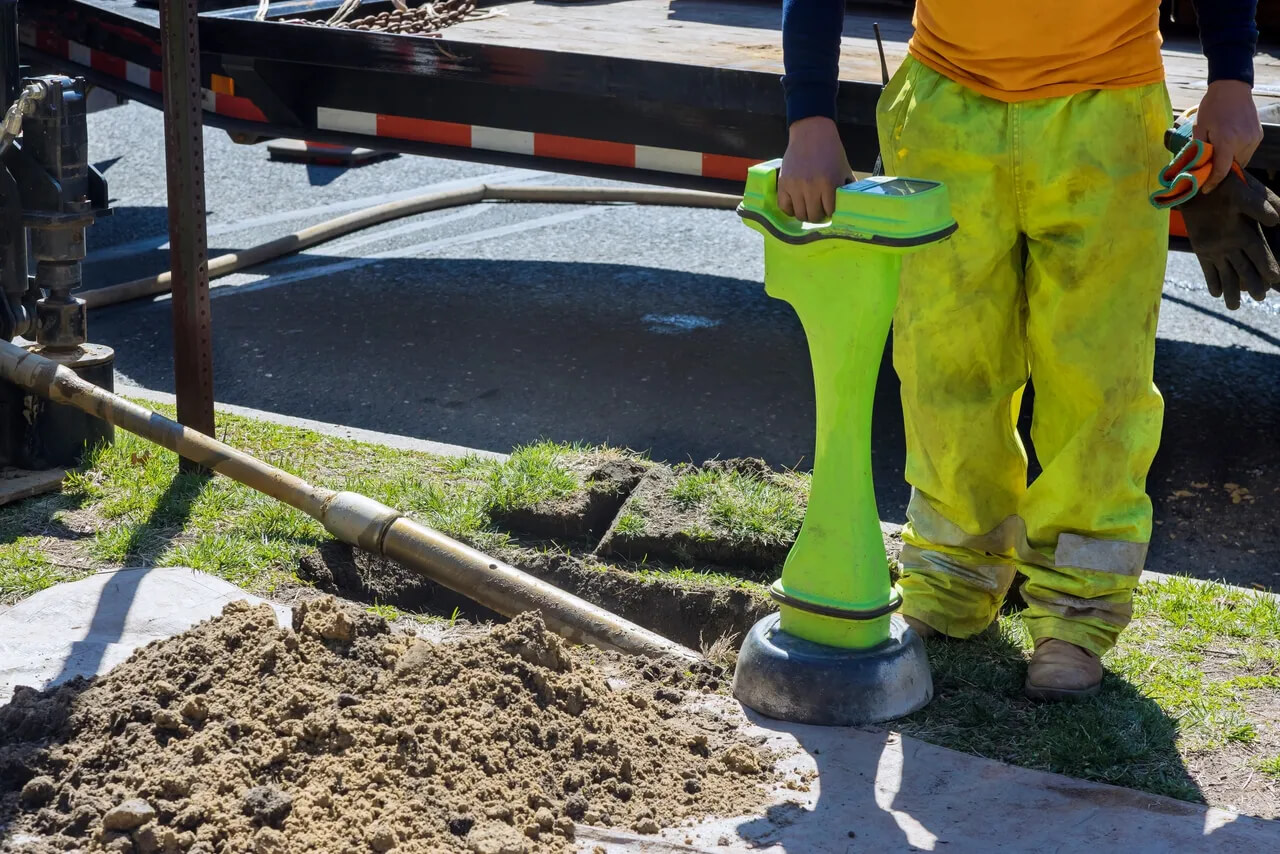
Trenchless drilling, also known as horizontal directional drilling (HDD), is considered environmentally friendly for several reasons:
- Reduced Surface Disruption: Trenchless drilling minimizes the need for extensive excavation and trenching. Traditional methods of laying utility lines or pipelines involve digging large trenches, which can disrupt ecosystems, damage vegetation, and disturb wildlife habitats. Trenchless drilling, on the other hand, allows for the installation of underground utilities with minimal surface disruption.
- Preservation of Natural Features: Trenchless methods enable the preservation of natural features such as rivers, wetlands, and forests. This is particularly important in environmentally sensitive areas where traditional excavation could lead to significant ecological impact.
- Lower Carbon Footprint: Trenchless drilling often requires less heavy machinery and equipment compared to traditional excavation methods. This can result in a lower carbon footprint and reduced emissions, contributing to a more environmentally friendly approach.
- Reduced Soil Disturbance: Traditional excavation can lead to soil compaction and disturbance, impacting the soil structure and ecosystem functions. Trenchless drilling minimizes soil disruption since it involves drilling beneath the surface without disturbing the topsoil.
- Protection of Existing Infrastructure: Trenchless methods are beneficial in urban areas where there is a network of existing infrastructure, such as roads, buildings, and utilities. The ability to install new pipelines or cables without disrupting these structures helps avoid additional environmental and economic costs associated with repairs and reconstruction.
- Lower Water Usage: Some trenchless drilling techniques, such as horizontal directional drilling, require less water compared to traditional methods that may involve dewatering of excavated areas. This can be advantageous in regions facing water scarcity or where water conservation is a concern.
- Faster Project Completion: Trenchless drilling methods can lead to faster project completion compared to traditional excavation, reducing the overall duration of construction activities and minimizing the duration of environmental disturbance.
- Protection of Existing Infrastructure: Trenchless methods are beneficial in urban areas where there is a network of existing infrastructure, such as roads, buildings, and utilities. The ability to install new pipelines or cables without disrupting these structures helps avoid additional environmental and economic costs associated with repairs and reconstruction.
While trenchless drilling offers several environmental benefits, it is essential to note that the specific environmental impact may vary depending on factors such as project scale, geological conditions, and implementation practices. Nonetheless, the overall trend is towards considering trenchless drilling as a more environmentally friendly option for underground utility installations.