Calling 811 before you dig helps prevent damage to public underground utilities, but it does not locate every buried line on your property. Understanding what 811 covers, and what it doesn’t, is the key to avoiding costly repairs, project delays, and safety hazards. If you’re planning to install a fence, plant trees, build a deck, or start any excavation project, knowing the limits of the 811 process can save you time, money, and unnecessary risk.
Every year, thousands of underground utility lines are accidentally damaged because property owners assume every buried utility will be marked after contacting 811. In reality, the service is designed to identify public utility lines, while many privately owned underground utilities remain unmarked, making private utility locating an important step for many excavation projects.
In this guide, we’ll answer the most common questions property owners ask about call before you dig. We will also explain how the 811 process works, clarify what it does and doesn’t cover, and show when additional utility locating services may be necessary before excavation begins.
What Does “Call Before You Dig” Mean?
Before beginning any excavation project, it’s important to understand why the “Call Before You Dig” message appears on construction signs, utility bills, and public safety campaigns. The phrase isn’t just a recommendation; it’s part of a nationwide damage prevention system designed to protect people and underground infrastructure.
“Call Before You Dig” refers to contacting 811 before disturbing the ground so participating utility companies can identify and mark the approximate location of their underground facilities.
This process helps reduce the risk of striking buried utilities, such as:
- Electric power lines
- Natural gas lines
- Public water mains
- Sewer mains
- Telecommunications cables
- Fiber optic lines
Whether you’re digging with a shovel or heavy equipment, contacting 811 should always be your first step before excavation.
What Is 811 and How Does It Work?
Many property owners believe 811 is a utility-locating company. That’s a common misconception. Understanding its role helps you know what to expect before work begins.
While 811 operates as a nationwide service, each state manages its own notification center. For example, property owners in Florida submit excavation requests through Sunshine 811 Florida, which coordinates utility notifications throughout the state.
The typical process includes:
- Contact 811 online or by phone several business days before digging.
- Provide the project location and describe the planned excavation.
- Your request is sent to participating utility companies serving that area.
- Each utility owner determines whether they have underground facilities near the proposed work site.
- If utilities are present, technicians mark their approximate locations using standardized paint colors or flags.
- Once all responses are complete, you can begin digging carefully while respecting the marked utilities.
Although the service is free, it has important limitations that every property owner should understand before starting any project.
What Are the 811 Rules Property Owners Should Follow?
Calling 811 is only one part of safe excavation. Property owners are also responsible for following the rules that protect both underground infrastructure and everyone on the job site.
While requirements vary slightly by state, these best practices apply to most excavation projects throughout the United States.
- Contact 811 before any digging project, regardless of size.
- Submit your request several business days before excavation begins.
- Wait until all utility owners have responded before starting work.
- Respect the marked utility lines throughout your project.
- Dig carefully when working near marked utilities.
- Request remarking if paint or flags become difficult to see.
- Submit a new request if your project expands beyond the original work area.
Following these steps significantly reduces the chance of utility strikes while helping projects stay on schedule.
What Does 811 Cover?
One of the biggest misconceptions is that 811 marks every underground line on your property. While the service provides valuable protection, its scope is limited.
In most cases, 811 coordinates the marking of publicly owned or utility company-owned underground infrastructure.
This commonly includes:
- Electrical distribution lines
- Natural gas lines
- Public water systems
- Public sewer mains
- Telephone lines
- Cable television lines
- Fiber optic communication networks
These markings allow contractors and property owners to excavate more safely, but they should not be considered a complete map of everything buried underground.
What Does 811 NOT Cover?
This is where many excavation projects encounter unexpected problems. After public utilities have been marked, property owners often assume every underground utility has been identified, when that simply isn’t the case.
811 generally does not locate privately owned underground utilities installed beyond the public utility connection or meter.
Examples often include:
- Private electrical lines serving detached buildings
- Irrigation systems
- Landscape lighting wiring
- Invisible pet fence wiring
- Private water service lines
- Private sewer laterals
- Drainage piping
- Propane service lines
- Underground conduits installed by property owners
If your property contains any of these buried utilities, relying solely on 811 may leave significant underground infrastructure unmarked. Before excavation, property owners often benefit from additional investigation using utility-locating methods to identify private underground utilities that are outside the scope of the 811 system. For projects where buried utilities are uncertain, advanced how to find underground utilities, such as Ground Penetrating Radar (GPR), can provide additional information without unnecessary excavation.
When Do You Need Private Utility Locating After Calling 811?
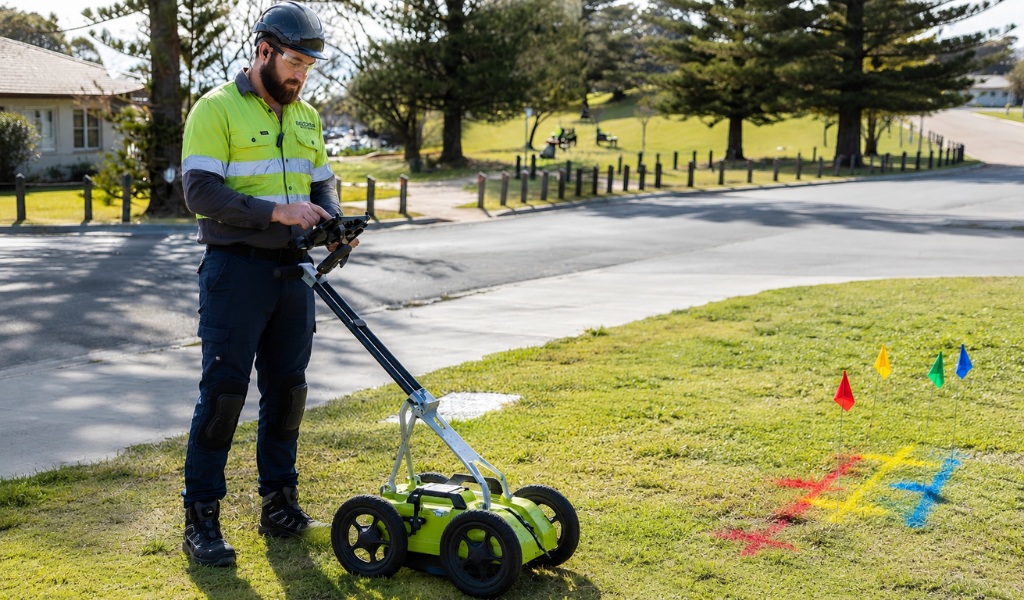
Calling 811 is an essential first step, but it shouldn’t always be the last. If your project involves excavation on private property, there’s a good chance that some underground utilities won’t be marked by the 811 system.
Private utility locating is recommended whenever your property may contain buried infrastructure that isn’t owned or maintained by a public utility company.
You should consider additional locating services if you’re planning to:
- Install a fence or retaining wall
- Build a swimming pool
- Plant large trees
- Construct a deck or patio
- Install signs or mailboxes
- Excavate for drainage improvements
- Perform trenching for electrical or plumbing work
- Begin any project where underground utilities are uncertain
Private utility locating helps identify buried lines that 811 generally does not mark, reducing the risk of unexpected damage and costly repairs.
If your project is located in South Florida, our GPR utility locating West Palm Beach services help property owners identify underground utilities before excavation begins.
How Does Ground Penetrating Radar (GPR) Help Find Underground Utilities?
Not every underground utility can be located using traditional locating methods. That’s where Ground Penetrating Radar (GPR) becomes a valuable tool for many excavation projects.
Ground Penetrating Radar (GPR) uses high-frequency radio waves to detect underground objects and changes in subsurface materials without disturbing the ground.
Depending on site conditions, GPR may help locate:
- Non-metallic utility lines
- PVC water pipes
- Plastic conduits
- Underground storage features
- Unknown buried objects
- Previously undocumented utilities
Some of the benefits of GPR include:
- Non-destructive investigation
- Reduced excavation risks
- Better project planning
- Improved worker safety
- Fewer unexpected delays
- Lower repair costs from accidental utility strikes
For projects requiring advanced underground investigation, our GPR scanning Ocala services help property owners gain a clearer understanding of what’s below the surface before excavation starts.
What Do Utility Color Codes Mean?
After contacting 811, you’ll likely notice different colored paint and flags throughout the work area. These markings provide important information that every property owner should understand before digging.
The American Public Works Association (APWA) has standardized utility color codes to identify different underground utilities.
Common utility color codes include:
- Red – Electric power lines
- Yellow – Natural gas, oil, steam, petroleum
- Orange – Communication, telephone, fiber optic, cable TV
- Blue – Potable drinking water
- Green – Sewer and drain lines
- Purple – Reclaimed water
- Pink – Temporary survey markings
- White – Proposed excavation area
Understanding these markings helps property owners avoid damaging critical infrastructure while keeping excavation projects safe.
FAQs
Does 811 locate irrigation systems?
No. Irrigation systems are typically considered private utilities and generally are not marked through the 811 process.
Will 811 locate landscape lighting or invisible dog fences?
Usually not. These privately installed systems fall outside the scope of most 811 utility markings.
Is the 811 service free?
Yes. Contacting 811 to request utility markings from participating public utility owners is generally free of charge.
How far in advance should I contact 811?
Requirements vary by state, but property owners should typically submit a request several business days before excavation begins to allow enough time for utilities to respond.
Final Thoughts
Calling 811 remains one of the most important steps before any excavation project, but it’s only part of a complete damage prevention strategy. Knowing what the service covers, and more importantly, what it doesn’t, helps property owners make informed decisions before breaking ground.
Whether you’re installing a fence, landscaping your yard, building a new structure, or planning a larger excavation project, combining the 811 process with professional utility locating services can significantly reduce the risk of damaging underground infrastructure.
Ready to Dig with Confidence? Partner with Experienced Underground Utility Experts
Planning an excavation project? Calling 811 is the first step, but it may not identify every underground utility on your property. If you want greater confidence before digging, our team can help with professional utility locating and Ground Penetrating Radar (GPR) services tailored to your project’s needs.
Contact Trenchless Drilling, LLC, underground utility contractors in Orlando, to discuss your project and learn how our experienced team can help you excavate safely and efficiently.