
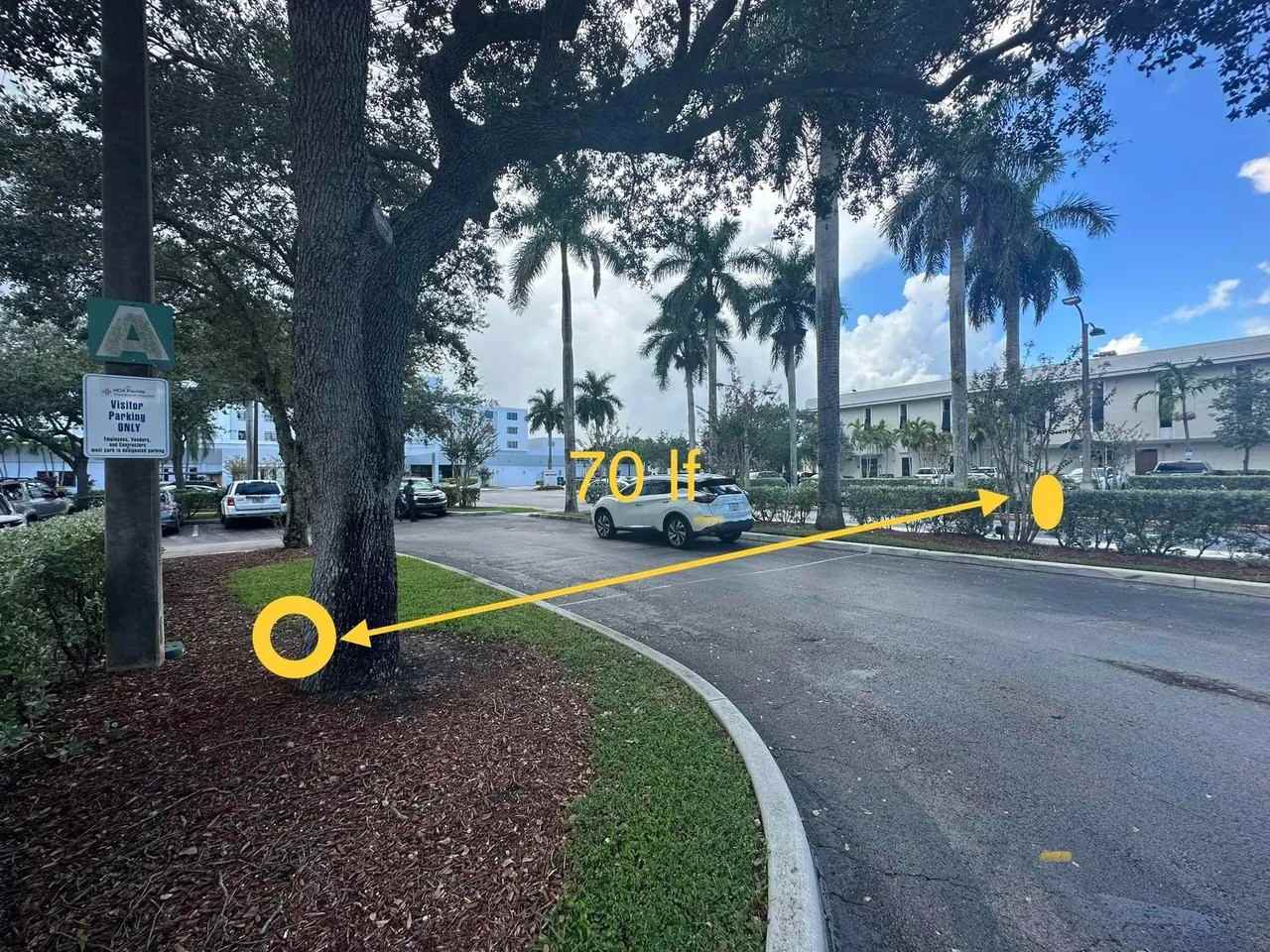
HDD, or Horizontal Directional Drilling, is a trenchless method used to install underground utilities such as electrical conduits, water pipes, or telecommunication cables without disturbing the surface. Here’s a simplified explanation of how HDD works:
- Planning and Surveying: Before beginning the HDD process, engineers carefully survey the area to determine the best route for the utility line. They consider factors such as soil conditions, existing underground utilities, and any obstacles that might be encountered along the way.
- Drilling Equipment Setup: Once the route is planned, drilling equipment is brought to the site. This equipment typically includes a drilling rig, drill rods, a drilling fluid mixing system, and other support machinery.
- Pilot Hole Creation: The HDD process begins with the creation of a small pilot hole. The drilling rig is set up at one end of the planned route, and a drill bit is used to bore a small hole underground along the desired path. The drill bit is steerable, allowing operators to control the direction of the bore.
- Hole Enlargement: After the pilot hole is drilled, larger drill bits are used to gradually enlarge the hole to the desired diameter. This process may involve multiple passes with increasingly larger drill bits until the hole is large enough to accommodate the utility line.
- Pulling in the Utility Line: Once the hole is enlarged to the appropriate size, the utility line (such as an electrical conduit) is attached to the end of the drill rods and pulled back through the hole. Tension is applied to the utility line as it is pulled through the hole to ensure it follows the desired path underground.
- Backfilling and Restoration: After the utility line is installed, the borehole is backfilled with drilling fluid or other materials to stabilize the surrounding soil and protect the utility line. Any surface disturbances caused by the drilling process are repaired to restore the area to its original condition.
HDD is an efficient and minimally invasive method for installing underground utilities, particularly in urban areas where traditional open-cut methods may be impractical or disruptive. It allows for the installation of utility lines under roads, sidewalks, and other obstacles with minimal disruption to surface activities.